

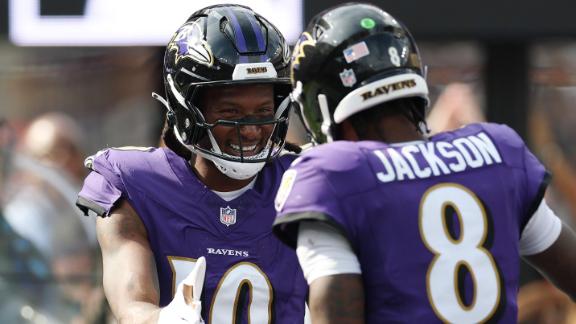
The 2025-2026 football season recently began, commencing the next couple of months of rivalries, tailgates and close-calls. College football launched their official games on Aug. 28, with the NFL following not too far behind on Sept. 4.
Both leagues upheld a wildly impressive viewership in their initial weeks. The Texas vs. Ohio State game accumulated 16.62 million viewers on FOX, breaking the viewership record of a single game. The Alabama vs. Florida State game gathered 12.3 million viewers, setting a record for a mid-afternoon game time. The NFL had similar achievements, with an average of 23.9 million football fans tuned into CBS to watch the game against the Green Bay Packers and Detroit Lions, another record-breaking audience.
Year after year, both college and NFL football have proven to be one of the greatest American institutions. Families continue to set aside afternoons and weekends to watch the games and cheer on their teams.
Just like any other sport, football has its fair share of hardcore fans, and everyone knows someone who might be too personally involved in the sport. I have a friend who once told me that they “dread football season because of the stress of losing,” most likely caused by the subsequent ridicule from rival team fans. This mindset must take a toll, causing a fun pastime to evolve into one of unnecessary stress.
This leads to wonder, how often is fandom taken too far? Screaming, rampant emotions and even physical distress are not uncommon during a particularly bad game. I’ve seen hair pulling, pacing and crying as a result of Southeastern Conference and ACC football games.
Oxford researchers noticed the physical and emotional effects of sports on diehard fans. In a study conducted years ago, they collected saliva samples from fans before, during and after matches in the 2014 World Cup in Brazil, the epitome of a stressful sports match. The researchers documented heightened levels of cortisol among the more hardcore fans during tight matches. Unsurprisingly, there wasn’t such a heightened hormonal response in more casual fans. High levels of cortisol cause an increased risk of heart disease and suppress the immune system. Essentially, being an overly emotional fan has the potential to be physically harmful.
Based on these facts, we would all do well to remember there are always going to be other games, seasons, coaches and players. As we travel deeper into the new 2025 football season, stay hydrated, fed and calm — or at least try.


