
On March 21, Wakeville transformed Scales Fine Arts Center into a student-run, multidisciplinary arts festival. Music filled the breezeway while students drifted between a gallery and karaoke. Down the hall, others painted, stitched and pieced together new creations. At Wakeville, standing still wasn’t really an option.
Now in its fourth year, the festival has grown into a large-scale celebration of the arts featuring the talents of more than 100 students that brings together music, visual art, theater, dance and more under one roof. The festival was originally conceived by undergraduate student Roscoe Bell (‘23), who now attends Wake Forest School of Medicine, and has remained entirely student-run since its inception.
Planning this year’s festival began in May of last year, with the bulk of preparations taking place in September. Since Wakeville was held in mid-March instead of its usual mid-April slot, the weeks leading up to the event were especially tight. Despite the compressed timeline, the team’s hard work paid off, and the festival came together successfully.
While most performers are students, Wakeville has increasingly drawn faculty and community collaborators: this year featured a faculty band (OSEA), an African drum circle led by percussion professor Dr. John Beck and Gamelan performances including members of the Winston-Salem community.
For student director Janani Krishnakumar, that growth is intentional.
“We’re in the festival’s growing period,” Krishnakumar said. “With each iteration, we figure out what works and what doesn’t, and adjust for the next year.”
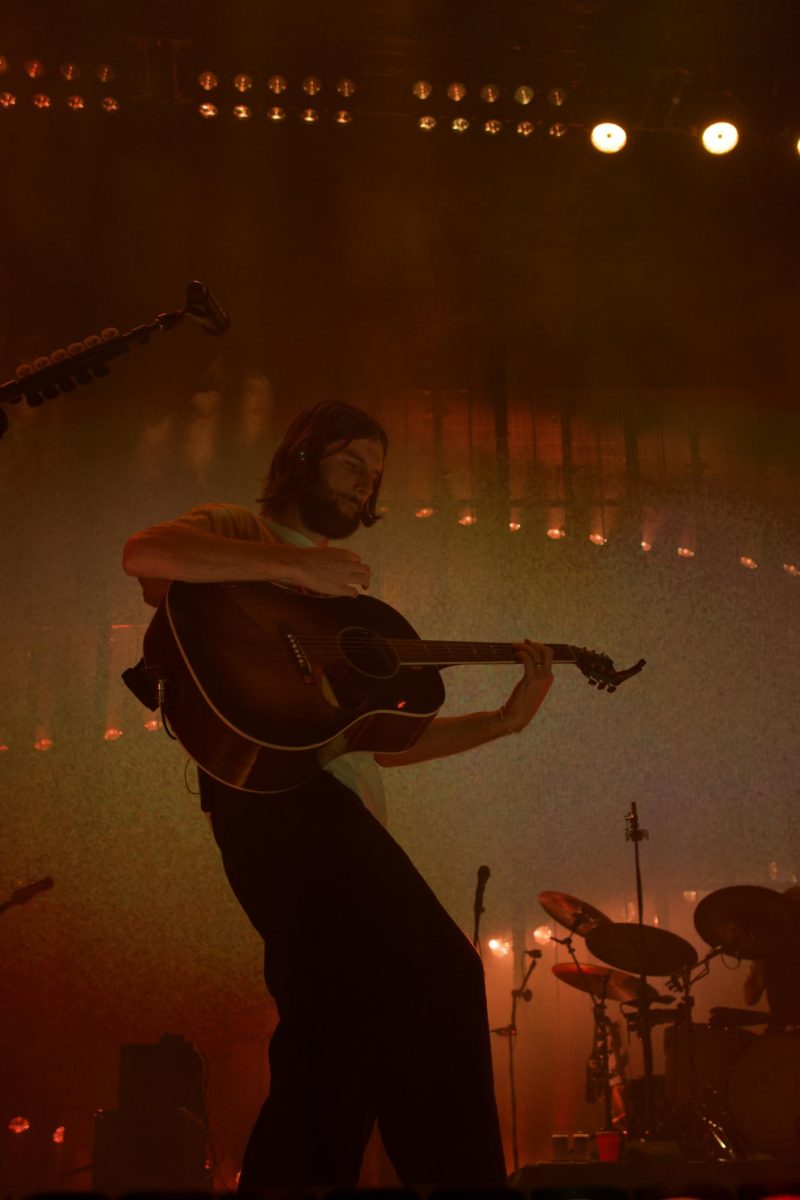
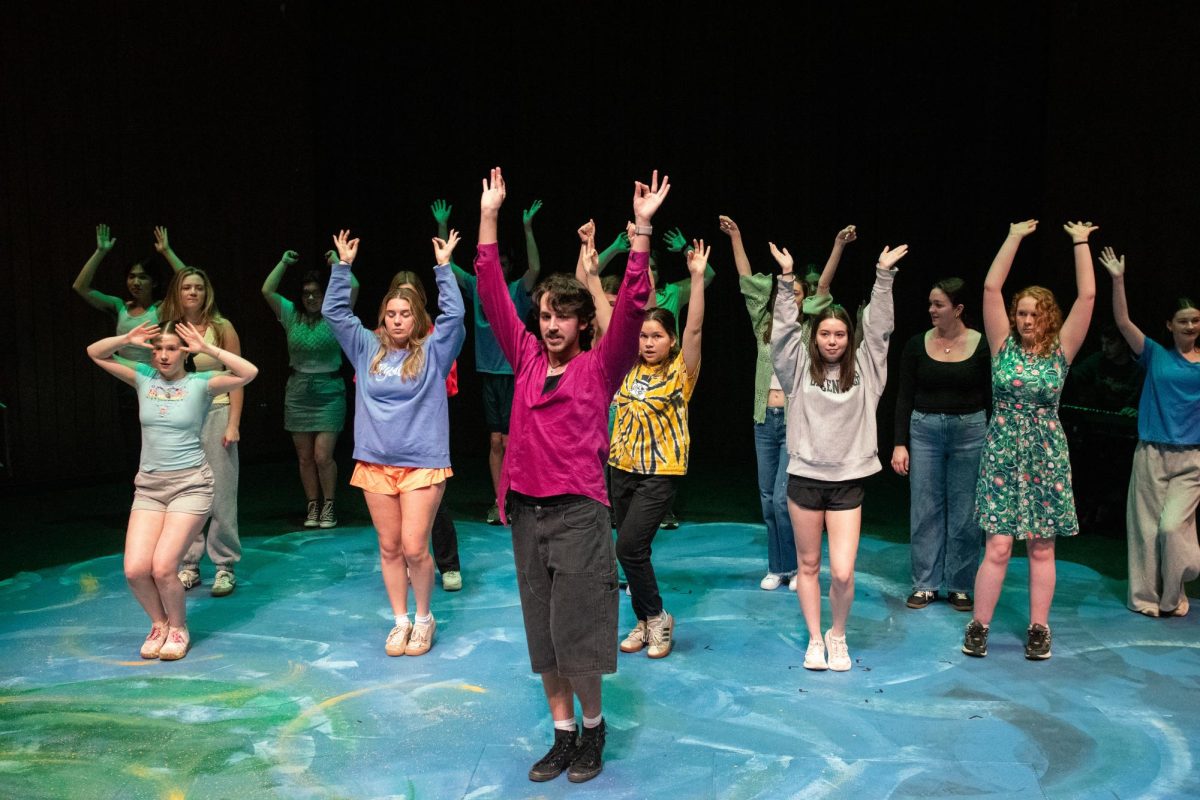
That growth was visible throughout the day. New additions like an art and snack room and an open mic session joined an already packed lineup of performances and activities. Across Scales, audiences could move between live bands, DJs and large ensembles, film screenings, dance and theater performances, and a gallery featuring student artwork and creative writing.
For performers, Wakeville provided both a stage and a uniquely collaborative environment. Senior Maggie Payne, who showcased her senior honors project in theatrical costume design and performed with her acapella group Minor Variation on the Scales Breezeway, described the experience as energizing and collaborative.
“Wakeville is different from performing at other events because everyone there is so excited to see all the different art and performances, and all the artists are cheering and supporting each other,” Payne said.
That sense of mutual enthusiasm carried into other performances. Sophomore Winston Miller, who performed with the acapella group Innuendo, said the festival’s intimate atmosphere keeps performers coming back.
“The crowd participation and energy with smaller crowds is what makes Wakeville such a fun experience,” Miller said. “You feel so supported each time, and there’s always something new to see.”
Miller, whose group performed songs by Bruno Mars and Elton John to a crowd of about 50 to 60 people, summed up the festival in one word: “jaw-dropping.”
“It’s only one day,” he said, “but there are so many people and so many artists.”
Beyond music, Wakeville created space for a wide range of artistic expression. In Brendle Recital Hall, sophomore Elizabeth Cohen performed a self-choreographed solo dance piece that blended classical ballet technique with freer movement, dancing en pointe to an instrumental track. For Cohen, dancing at Wakeville is essential to representing the full scope of the arts on campus.
“Dance is an integral part of the arts here at Wake Forest,” Cohen said. “It’s a beautiful way for artists to express themselves through movement, and it’s important for us to show off all our hard work and inspire those around us.”
Attendee Lydia Anderson, a senior, described the festival’s energy as “bubbly” and “innovative,” pointing to unexpected moments like a community clothing swap in the lobby.
“Wakeville is very dynamic,” Anderson said. “You get to see so many different types of art all part of one festival, and it really shows how expansive the arts are.”
Even within performances, that collaboration was evident. Anderson noted that students across disciplines came together in ways that might not have happened otherwise.
“You saw people who had really only been in the music department performing with the theater group,” she said. “It shows how collaborative art spaces are.”
Beyond performances, Wakeville offered spaces for participation. A hands-on art room invited attendees to contribute to a community canvas or experiment with materials like yarn, paint and Legos. Student organizations and campus partners hosted tables, while food trucks and community collaborators extended the festival’s reach to the broader city of Winston-Salem.
“If there’s something you’ve been wanting to see or try, it’s here,” Krishnakumar said. “You can catch them all at Wakeville.”
This year’s theme was “Self Love.” Krishnakumar explained that art can serve not only as expression but also as a form of personal growth.
“Art is healing,” Krishnakumar said. “Engaging in the arts as a musician has built so much confidence and happiness in me. It’s a really powerful way to spread those values to others.”
Looking ahead, Krishnakumar said she hopes Wakeville continues to grow in scale, drawing in more participants, more audiences and more opportunities for students to engage with the arts year-round. With much of this year’s leadership graduating, the future of Wakeville will once again rest in the hands of the students who choose to carry it forward.
“Wakeville shows everyone on campus that there are more paths they can take through curiosity and artistic views, and to welcome the Wake Forest community into the world of the arts and all that we do,” Cohen said. “Wakeville was one of my highlights this semester — it brings so many smiles and memories to all who attend.”