
57,000 people in Forsyth County partially lost their SNAP benefits during the government shutdown, causing fear and anxiety and pushing food banks and pantries to their limits.
Margaret Elliott, executive director of Crisis Control Ministry, emphasized the impacts the loss of benefits had on people across the country and in Winston-Salem.
“We have seen federal employees who lost their jobs or they’re not getting paid who are coming here for rental assistance and utility assistance,” Elliott said. “So, we’re just seeing it from all different angles of people that are needing extra help. I think it’s the not knowing that is hard on all of us.”
Elliott continued that people should put themselves in the shoes of those who are struggling through this crisis.
“[Imagine] you wake up and you find out that you don’t have food stamps to go buy your family groceries for the month. That’s very stressful. So I just feel like that’s kind of where we are now.”
The government shutdown ended on Nov. 12 after 43 days and SNAP benefits were restored 24 hours later, but the impacts of the crisis were far-reaching and potentially permanent.
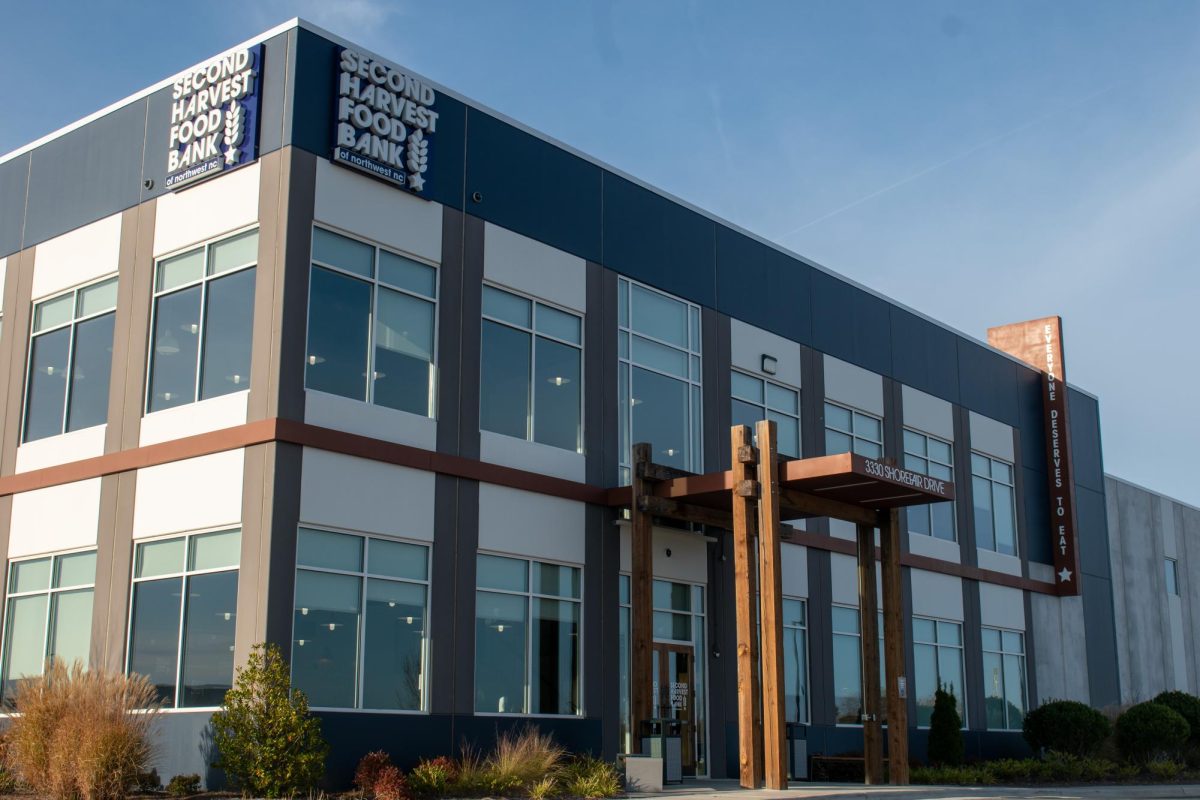
Nikki McCormick, vice president of partnerships and impacts at Second Harvest Food Bank, emphasized the increase in demand they saw, especially from people who have never sought food assistance before from their network programs.
“For Forsyth County, this past week was 8% new. That is a gigantic number. Now, almost one in ten, right? People that you walk around with, do business with, go to church with or go to school with. That blows my mind.”
She said that the demand in Forsyth County is likely to persist.
“There are some other potential, very big crises coming with increased healthcare costs, and that will be just as widespread and continue to create some issues for folks, for our neighbors,” McCormick said.
McCormick also said that during the government shutdown, the Department of Social Services, Health Department, county-level officials and nonprofit leaders, including Second Harvest, met regularly to coordinate what they were seeing on the ground and what they could do to help each other. They intend to keep these meetings running because of the issues yet to come.
David Holston, executive director of Sunnyside Ministry, said that they are seeing a similar demand in their food pantry.
“What we’re seeing is about a 30% increase in people coming in,” Holston said.
Holston then gave a broader picture of the food insecurity in Winston-Salem and the troubles people were having even before the government shutdown.
“Food insecurity affects people in so many different ways,” Holston said. “It’s a chronic problem in our community. For example, in the last 12 months, we’ve provided food to 23%, or 5,131, of children in Southern Forsyth and Northern Davidson County. And we serve 25% of the total population in that area with food and other support.”
Holston, McCormick and Elliott all emphasized that nonprofit organizations like theirs can never make up the difference when SNAP benefits are lost, and that any help from the community is appreciated.
“It’s a community problem that really needs a community,” Holston said. “And that means really all of us doing our part.”