
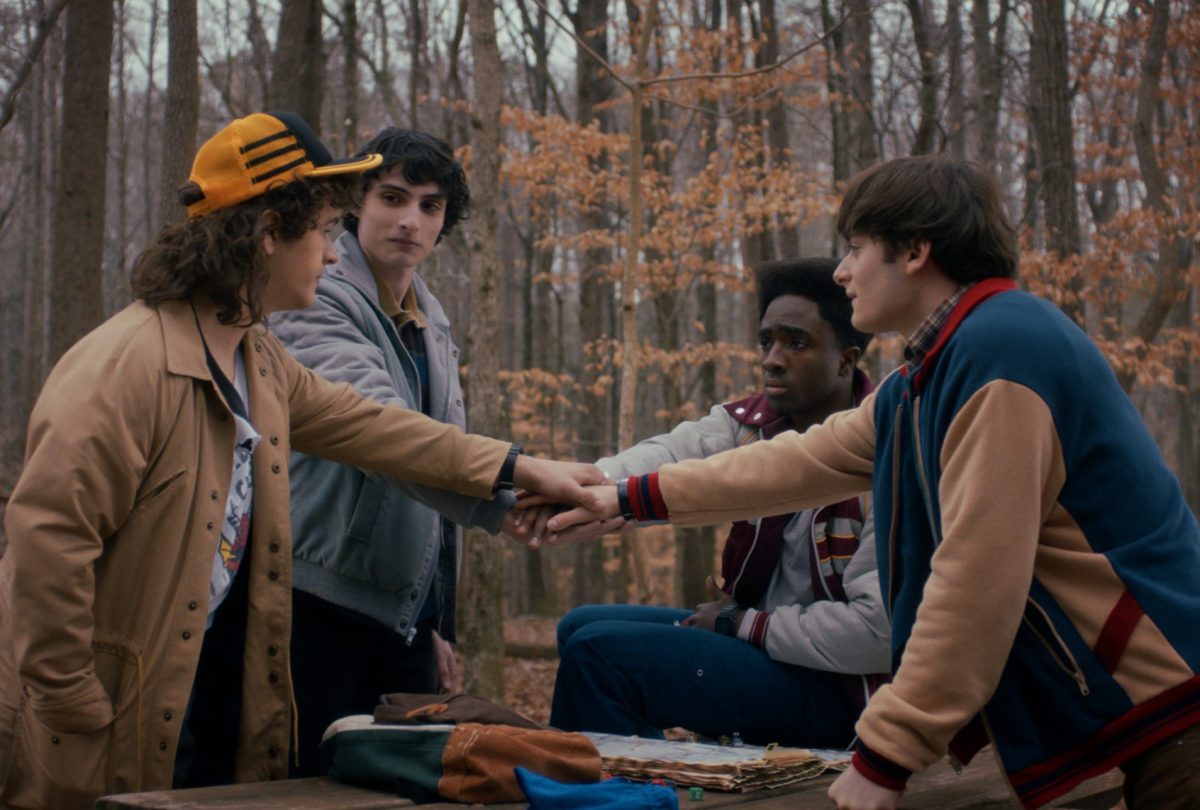
After nearly 10 years of investment from devoted audiences, the hit television series “Stranger Things” concluded with a two-hour finale released Dec. 31 to a global audience. I watched it. I hated it.
Frankly, I felt insulted as a viewer who had committed so much time to the show. But I should have expected as much. Since the lightning start of the first season, I’ve noticed a significant decline in the quality of the show, especially the writing and characters.
What was once a small-town, relationship-driven mystery became an action show. As the plot got bigger, the stakes became higher and more CGI action setpieces bombarded the screen. I believe the producers lost sight of the ethos that drew the show’s original audiences.
Although I could name numerous problems I had with the way the show sputtered to its end, there is one issue that permeated not just this season, but every season since “Stranger Things” debuted. The show refuses to let its characters die.
Why should characters die? The world is a cruel place, and in the world of “Stranger Things,” which is filled with danger and despair, death should be especially common. Beyond mere realism, any good show must have stakes. If I know all my favorite characters will turn out alright following an encounter with a demogorgon, what’s the point of experiencing harrowing emotion?
Consider Steve Harrington. Steve (Joe Keery) was supposed to die in the first season as a throwaway bully-type character, but the crew (and audiences) were so enamored with Keery’s performance that writers decided to give him a redemption arc, making him sacrosanct and untouchable.
But these are characters in a fictional television show. They are at the mercy of the writers. “Love not too much the work of thy hands,” said Tolkien, and I couldn’t agree more. The duffers love their characters too much. The audience can’t stand to see their farcical friends fall. In the finale, everyone gets a happy ending, because Stranger Things’ audience can’t stomach the sadness of losing their buddies.