

North Carolina remains the only state in the country without a comprehensive budget for the 2025-2027 biennium. Without a fully updated budget, public programs, such as Medicaid, lack the necessary funding to succeed, and residents are bearing the brunt of the state legislature’s impasse with increasing healthcare costs.
“North Carolinians who rely on Medicaid are suffering because the General Assembly has failed to fully fund the program,” Stein stated in a press release. “The General Assembly must act to fully fund Medicaid and protect health care for more than three million North Carolinians.”
Why are healthcare costs rising in North Carolina?
N.C. healthcare costs are typically similar to the national average, but prices are rising quickly. According to the Consumer Price Index for Medical Care, healthcare costs in the average U.S. city have increased by 587% since the 1980s, a rate that far outpaces general inflation.
This is due in part to the fact that the healthcare market lacks competition. Unlike other markets, consumers have only four choices for health insurance: Medicare, Medicaid, the ACA marketplace or employer-based insurance. This means that providers have little incentive to lower costs to attract customers.
“People often say market-based healthcare isn’t working in the US, but I don’t see much of a market at all,” Tina Marsh Dalton, a Wake Forest professor specializing in health economics, said in a statement. “Prices are not transparent, and people are not choosing care based on costs.”
Costs have also increased following the expiration of post-COVID premium subsidies at the end of 2025.
“[H]ealthcare prices are continually rising all across the economy,” Dalton said. “They used to be heavily subsidized, and it just got taken away.”
Emergency doctor: Patients suffer long wait times
When patients do not have health insurance at the time of an accident or illness, they often go into medical debt to pay for care. However, if the hospital caring for them does not get paid for their services or doesn’t get funding, these hospitals may be forced to reduce staffing or shut down, creating a ripple effect.
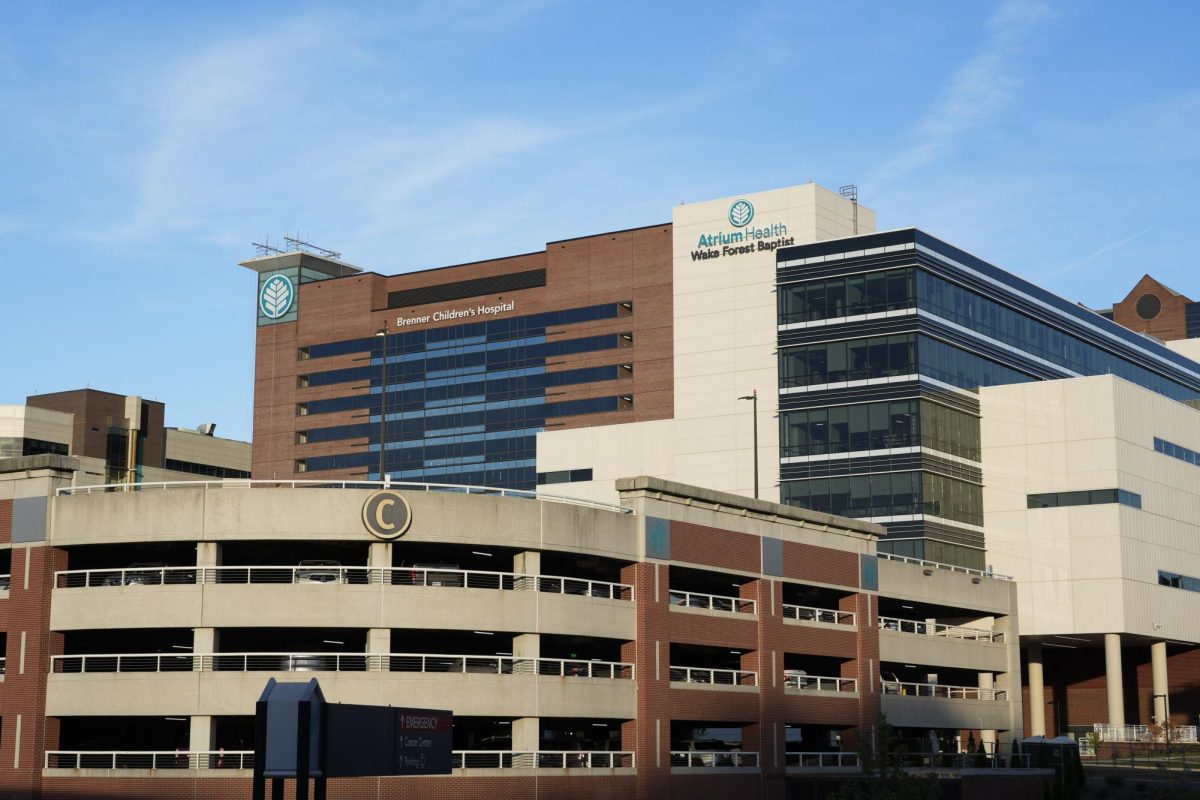
James “Tripp” Winslow, a professor of emergency medicine at Atrium Wake Forest Baptist, said he sees firsthand the effects of uneven access to healthcare.
“Right now in the emergency department, patients wait for 4 to 12 hours in the waiting room just to be seen,” Winslow said. “It’s even more concerning that many people who leave before being seen are often quite sick and just go home and suffer without proper care.”
These problems are exacerbated in rural areas of North Carolina, according to Winslow.
“A lot of the rural counties don’t really have doctors anymore,” Winslow said. “There are many Medicaid patients out there, and if they can’t make enough money to keep the doors open, they’ll probably close.”
What’s North Carolina doing about the impasse?
N.C. Gov. Josh Stein has continued to press the legislature to pass a budget. Stein also signed “mini-budget” bills during a Jan. 29 visit to RHA Health Services’ Alamance County Behavioral Health Center in Burlington.
Experts believe that a full, comprehensive budget won’t be formed until at least April. Until then, healthcare costs will continue to rise at an accelerated rate, impeding access to care and causing burnout among healthcare professionals across the state.