

It is almost fall at Wake Forest, which calls for a whole new wardrobe as we bundle ourselves up in sweaters, jackets and scarves to escape the autumn chill. For the next few months, the mail room will be a flurry of packages filled to the brim with clothing orders from fast fashion shops and name brands alike.
Fashion-based searches rose rapidly in 2024, peaking at 100% search volume in September and remaining high throughout the winter months. This trend aligns with autumn and winter wardrobe planning, particularly in North America, as the temperature cools and seasons shift.
September is a substantial month for the fashion industry, especially fast fashion brands. This inspired a movement known as “Secondhand September,” originally launched in 2019 by Oxfam, a global alliance of more than 20 independent organizations dedicated to combating social injustices and poverty.
Secondhand September encourages shoppers to avoid buying new clothing for the entire month—inviting them to “reuse, rewear, and restyle” instead. The movement encourages us to be mindful of what and where we purchase, reduce waste and counter the fast fashion industry and our own limits.
This task may seem daunting, but the mission of the movement at its core is to raise awareness and to challenge our notions of fashion and sustainability. It is meant to be difficult, but is absolutely possible!
There are three easy ways you can participate in Secondhand September:
- Shop second-hand for your clothes
Look for resale or thrift stores online and on the street! A few good online options are ThredUp, Depop, Clothes Mentor and Poshmark. If you prefer shopping in-person, Goodwill, Uptown Cheapskate and Mega Thrift are readily available here in Winston-Salem.
Thrifting is gaining momentum as more shoppers head towards consignment stores for deals. 93% of Americans shop online for secondhand items, and the global thrift & resale market is worth a whopping $256 billion. Over half of the secondhand market is thanks to online resale, which follows the general fashion trend as online shopping has gained popularity.
Uniqueness, affordability and benefits for the planet are cited as the top three reasons why people thrift. In particular, younger generations are more inclined to thrift: 83% of Gen Z consumers have either purchased or are interested in purchasing secondhand, and on average, two out of every five items in a Gen Z closet are secondhand.
- Donate clothes
Do a seasonal closet clean out and donate clothes you no longer need. You can take these to consignment stores or local clothing donations, including Winston-Salem Rescue Mission and the Shalom Project.
- Participate in a clothing swap
These are fun gatherings where people gather and trade clothes and accessories for new-to-them items. The student-led sustainability organization, dEaCOfriendly, and the student-run sustainable fashion club, Wayward Fashion, have organized campus clothing swaps in the past, allowing students to donate clothing and shop for “new” items.
Olivia Delgado, a former president of dEaCOfriendly and senior majoring in biology, finds clothing swaps beneficial because they provide access to new, unique clothing.
“Being on college campuses, we are always looking for outfits for a special occasion and never have enough closet space,” Delgado said. “I’ve always enjoyed the idea of clothing swaps because it lets you exchange clothes outside of your friend groups and get access to free clothes that you might never have had access to before.”
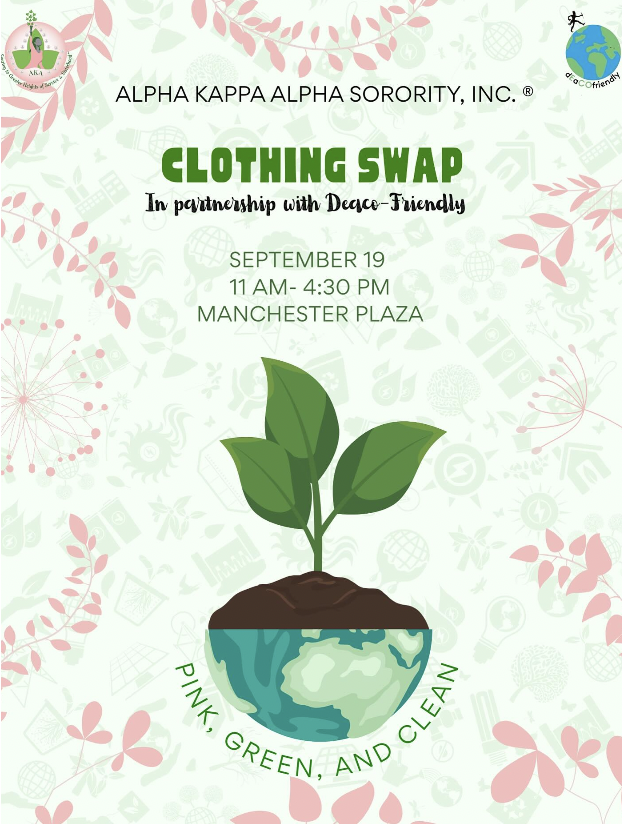
This week, Alpha Kappa Alpha sorority and dEaCOfriendly will be hosting a clothing swap on Manchester Stage, which is a great upcoming opportunity to practice sustainable shopping on campus.
As autumn approaches, challenge yourself to participate in Secondhand September. Even if you cannot commit to solely buying secondhand this month, any change is significant. Pay attention to where you buy your clothes, and encourage others to do the same!
In the words of Oxfam, “Dress for the world you want to see.”