
As humans continue to pioneer new environmentally-conscious practices and technologies, our definition of “sustainability” evolves from year to year. When students pay attention to these shifts, it’s easier for us to incorporate small-scale sustainable actions into our daily lives. As 2026 begins, here are some predictions for this year’s “sustainability trends.”
In: Being more responsible with AI use
Out: Using AI for random questions that you can answer another way
It is no secret that the growing use of artificial intelligence (AI) is harming the environment. The data centers that our devoted digital assistants consume enormous amounts of resources to keep processing chips powered and cool.
4.4% of all energy in the U.S. went to data centers in 2023, and this figure has only increased in recent years. Pollution created while generating this power has endangered communities around data centers, most notably in the historically Black neighborhoods near Elon Musk’s X AI center in Memphis, Tenn. Additionally, scientists at the University of California calculated that every prompt submitted to generative AI models like ChatGPT “consumes” one bottle of water, adding up to millions of gallons of freshwater depleted each day at some processing centers.
It would be wrong to pin the blame fully on consumers’ actions, rather than condemn the industry itself. However, consumer AI use drives a growing demand for the operation of these data centers and the construction of new ones. Therefore, it is worth considering limiting AI use when possible. One way to do so is by using a search engine that does not automatically direct you to AI-generated content, such as Ecosia, or by following these steps to remove AI responses from your Google results.
In: Buying (and using) a reusable bag for grocery shopping
Out: Choosing plastic when the cashier asks “paper or plastic?”
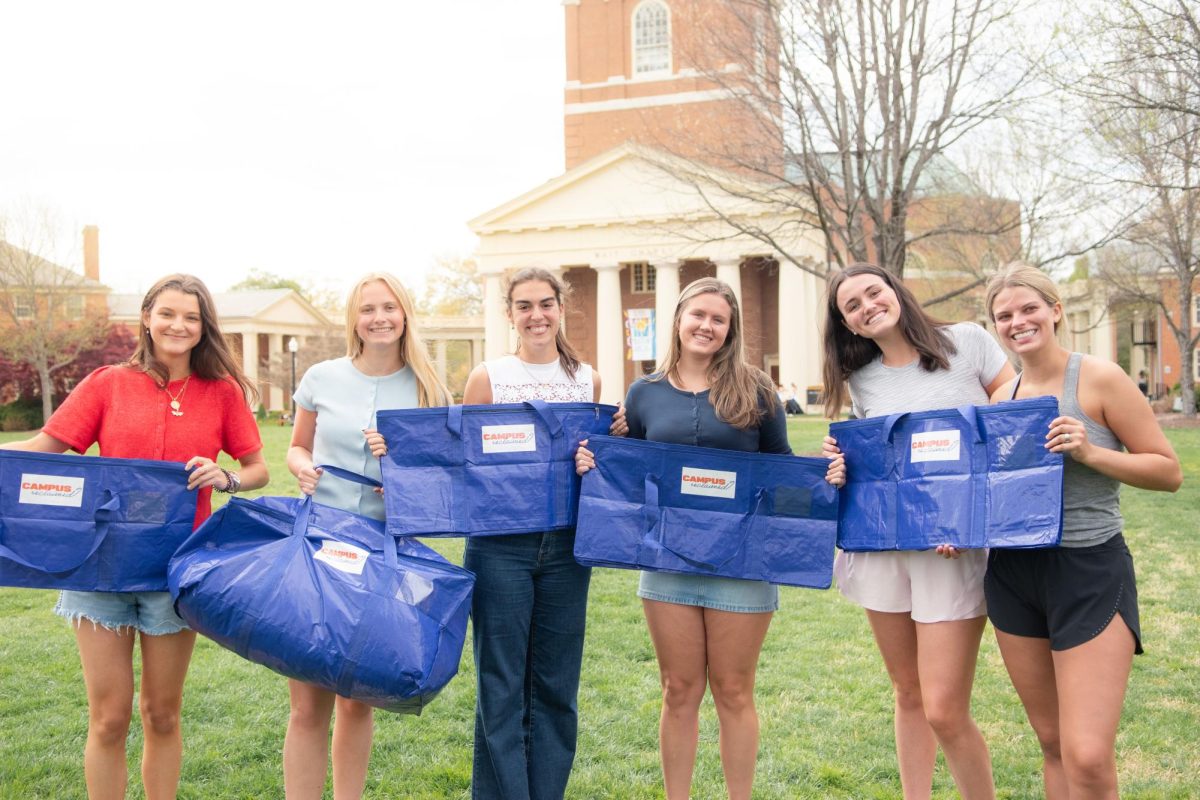
Collectively, humans use 5 trillion plastic bags every year. Because plastic bags are not biodegradable, it takes over 1,000 years for each one to partially degrade. Even worse, the chemical additives present in these bags are linked to health problems as serious as cancers and birth defects. Sturdy reusable bags are an excellent alternative to the flimsy yet dangerous plastic bags typically offered at the grocery store. Your choice will help limit the amount of plastic that lives for centuries in landfills or pollutes water supplies.
In: Buying one cute reusable water bottle and sticking with that one
Out: Buying a new reusable water bottle in each color
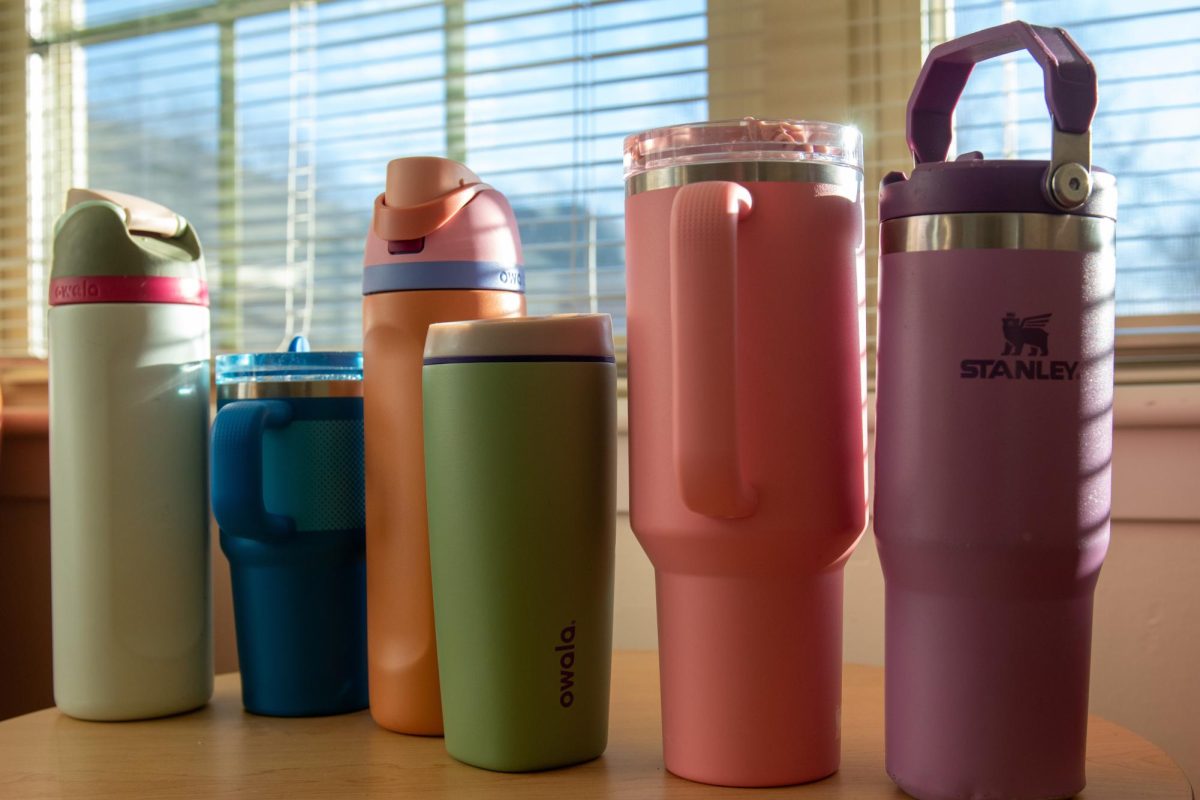
Metal water bottles are great alternatives to single-use plastic water bottles. However, the consumer trends associated with reusable water bottles can be extremely wasteful. Each year seems to have its own new “it” brand promising the most stylish metal water bottles in every color imaginable. A few years ago, Stanley promised to build a more sustainable, less disposable life and world.” Before that, Hydro Flasks took the world by storm, and the company built its fame on fun colors and a veneer of sustainability.
But both companies, among others, profit from a “collectable” marketing strategy in which consumers are encouraged to buy more products than they need. On average, Americans own 7.24 reusable water bottles, which begins to defeat the purpose of a reusable water bottle. Instead of reducing consumption, water bottle crazes lead to their own form of overconsumption. Instead of draining the raw materials and energy needed to produce each latest trendy bottle, consider using your trusty old bottle for another year.
As the director of the Sustainability and Health Initiative for NetPositive Enterprise at Massachusetts Institute of Technology said, “You really have to use that water bottle quite a few times before it’s environmentally better.”
An important thing to consider is how trends impact what we decide to purchase and consume. Particularly in the case of reusable water bottles, less is more, and one or two reusable water bottles on rotation is plenty. And adding reusable grocery bags into that rotation has the potential to eliminate a significant level of plastic waste, especially if this habit is implemented by more and more people.
Beyond water bottles and bags, AI is a fast-growing technology that is becoming increasingly prevalent in our daily lives, especially as students. But as students, we have access to vast resources, including environmentally-friendly search engines like Ecosia, that we can utilize instead of ChatGPT.
It is important to overcome the need to buy and use at whim in order to protect sustainability efforts. Incorporating these kinds of practices can build habits over time. Small-scale sustainable action can make a tangible difference, and these are just a few places to start.