
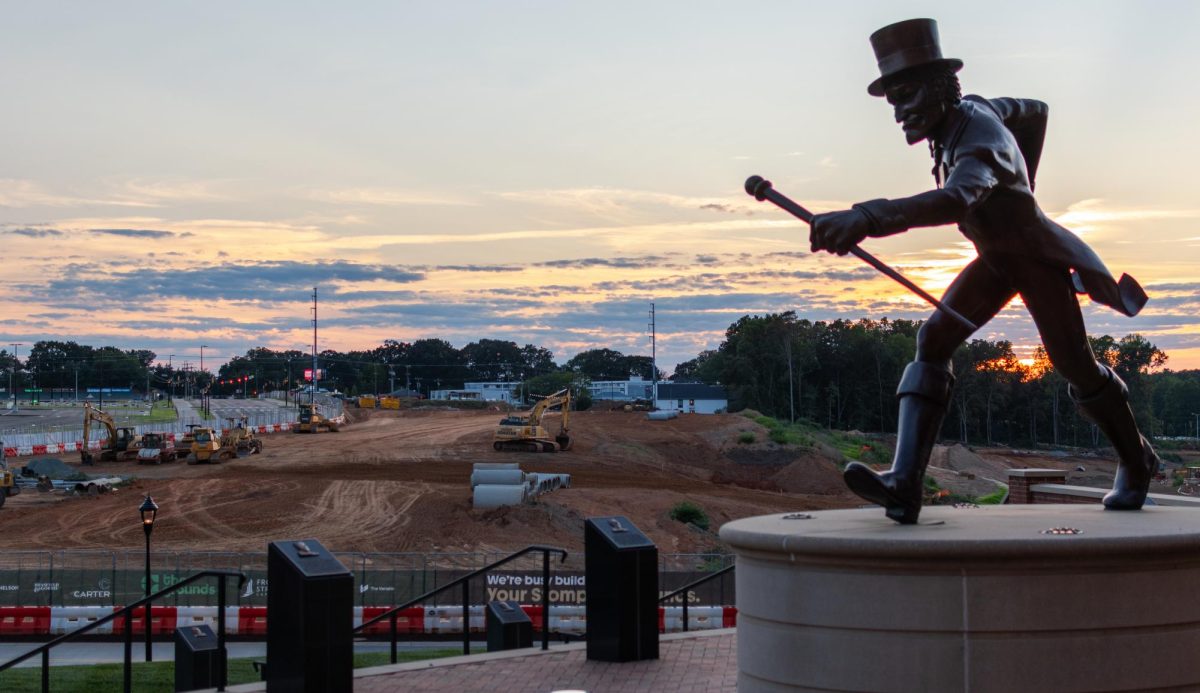
On Jan. 22, Wake Forest announced an “affiliate housing program” that will allow students to complete the university’s six-semester residency requirement by living at approved off-campus properties during their junior year, beginning with the current freshman class. The announcement comes as the University struggles to accommodate juniors returning from study abroad programs and continues investing in off-campus projects, including The Grounds, a 100-acre mixed-use development near the football stadium.
“As the University pursues a modest, phased increase in undergraduate enrollment, demand for housing will increase,” Wake Forest Residence Life & Housing said in a statement. “As we continue our work of bringing the University’s residential commons model, The Forest, to life, we will focus on the first- and second-year student experience.”
In a broadcast email to the student body, Residence Life & Housing highlighted Creekside, an apartment complex at The Grounds scheduled to open in the fall of 2027. Creekside is currently the only approved affiliate location, but Residence Life and Housing said they “expect additional properties to be added” in the future.
Creekside, which is not owned or operated by Wake Forest, will house up to 521 students across 229 fully-furnished units offering private bathrooms, kitchens, a fitness center, a clubhouse with study rooms, an outdoor pool and an entertainment area. The complex will be situated between the Allegacy Federal Credit Union Stadium and Lawrence Joel Veterans Memorial Coliseum and surrounded by a retail village, nature trails and pedestrian pathways to the university.
“By creating a dynamic place that blends residential, commercial, athletic stadiums and welcoming public gathering spaces, we are reimagining the University’s role as a community partner,” Wake Forest President Susan R. Wente said in a statement. “This development will enhance the student experience, attract new talent and contribute to the city’s overall vitality. We believe The Grounds will create a common ground for all.”
The Creekside development team, led by Carter and Front Street Capital real estate firms, says they hope their complex will provide comfortable accommodation and a communal, student-centered atmosphere away from campus.
“This is the first of several transformative projects that will define the future of The Grounds,” Adam Parker, Senior Vice President at Carter, said in an announcement. “With Creekside, we’re delivering an unprecedented residential experience in Winston-Salem, designed to meet student needs while anchoring this sports and entertainment mixed-use community.”
Residence Life and Housing’s announcement marketing Creekside as a high-end opportunity generated mixed feelings among the student body. Some students were happy to learn of the new housing option.
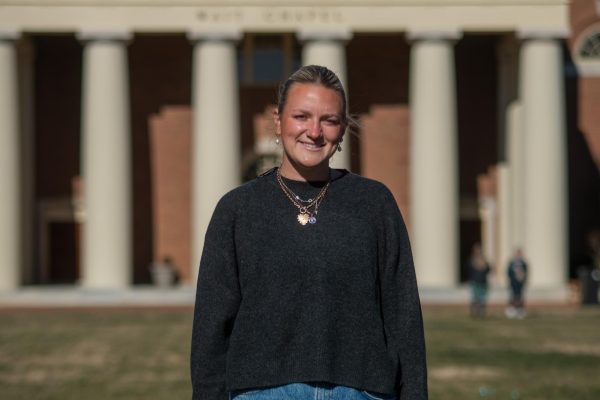
“I am so excited to get the chance to live in such a modern, student-focused space that really feels like its own community,” first-year Isa Aguirre said.
Others questioned whether the development meaningfully addresses the housing difficulties many students – especially juniors returning from abroad – currently face on campus. While juniors in future classes have the opportunity to live at Creekside, limited campus capacity due to sustained increases in enrollment means many rising juniors will live in the newly renovated Babcock Residence Hall, historically a freshman dormitory, on South Campus next year.
Some students see Wake Forest’s investments in the sports and entertainment district as emphasizing athletic engagement rather than immediate student housing needs.
“It’s frustrating that the university is prioritizing flashy projects over giving students more housing on campus,” sophomore Julia Perricelli said. “They are making a lot of changes in the next few years that are helpful for some, but seem to be hurting others and their ability to get fair housing.”
As enrollment grows and the University seeks creative solutions to avoid overcrowding, students experience uneven access to new housing opportunities. Many students who receive financial aid from the university, for example, are required to live on campus all four years, and so will not be permitted to live at Creekside or future affiliate properties.
Residence Life and Housing said in a statement to the Old Gold & Black that they are working to address capacity pressures for incoming classes, including by renovating and reconstructing existing residence halls.
“Looking ahead, the University’s ongoing space planning work will continue to shape the residential experience,” the office said. “A key priority is recentering the first-year residential experience on South Campus. Planning is currently underway for the demolition and reconstruction of Collins Hall, with the goal of right-sizing South Campus to thoughtfully accommodate future incoming classes within an intentional first-year neighborhood. As this work continues, the University remains focused on balancing enrollment growth with a residential model that supports connection, wellbeing and community for students.”