

“Skinny culture” is flourishing on TikTok as influencers continue to create workout and “What I eat in a day” videos.
The number of young adults and adolescents taking GLP-1RA’s has increased 594.4% from 2020 to 2023; “Make America Healthy Again” movements are raging throughout our government; influencers are promoting nutrient-deficient diets in “What I eat in a day” TikTok videos. Diet culture is ever-present, sneaking its way into TV commercials, political debates and social media feeds.
But is any of it really healthy, or will the audience abide by misinformation to look good?
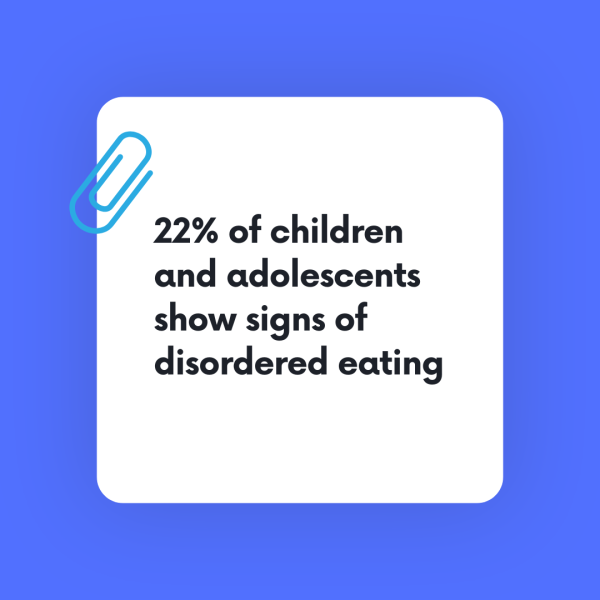
When the goal is to get thinner, people will go to extremes. According to the National Eating Disorder Association, 22% of children and adolescents show signs of disordered eating. With younger generations having more access to the internet than ever before, children grow up exposed to an entirely new world of content. Behind creators promoting these lifestyle habits is the understanding that the thinner you are the better, ultimately emphasizing the idea that your size defines your worth.
Diet culture has not escaped our campus either. With conversations in the Pit surrounding the “freshman fifteen” and unrealistic beginning-of-the-semester workout goals, it is unavoidable. Last week, I found myself in Benson choosing what to order based on the displayed calorie count rather than the food I actually wanted. Every day, I hear friends stressed about when to fit the right amount of exercise into their day and how much they ate earlier relative to that exercise.
Conversations of diet culture surround us as students and intensify when we go online and see influencers promoting such. Even politicians take advantage of this insecurity to advance their own anti-science agendas. This is a complete abuse of power and jeopardizes the health of all Americans.
Health Secretary Robert F. Kennedy J.R. ‘s all-natural, anti-science approach to health has made waves in government and social conversations. He claims that healthy choices create beautiful bodies, and to attain such health and beauty, you must follow a strictly natural regime. He is aiming to end “government suppression” of items like peptides and raw milk, and denounces any vaccines or other seemingly unnatural remedies.
As quoted by New York Times writer Tressie McMillan Cottom, “If you strip away his famous surname and maybe look past his advanced age, Kennedy is indistinguishable from a beauty influencer.” Much like TikTok influencers, he has his followers in a chokehold. But it is not just his followers who are falling victim. Introducing health trends that denote vaccines and medicine in government puts all Americans at risk. When science is ignored by the Nation’s Secretary of Health, nobody is safe.
In contrast to the health secretary’s natural remedy approach, there has been a massive rise in GLP-1s for weight loss use, particularly in young women. GLP-1RAs were approved in 2005 to help with type 2 diabetes, and in 2014 for weight management. GLP-1RAs can have a positive impact on those who need them to combat health issues. However, the obsessive nature of becoming thinner has inspired far too many people who otherwise never would have taken the drug to start, creating a ripple effect of comparison and obsession over weight.
While healthy body choices are essential to a healthy life, restricting your life to any extreme is never healthy. What diet culture fails to address is that being skinny and being healthy are two different things, and despite the aesthetics, the latter should always override the former.