

Lately, it feels like everything is being labeled as performative. Men are “performative” for drinking matcha. Women are “performative” for following Formula 1. Even wearing loafers or pleated trousers can somehow be spun as a performance. The word has become so overused that it’s lost its meaning, and that matters when we’re talking about activism online.
Because here’s the thing: not all social media activism is hollow. At its best, it connects people to causes, spreads stories that would otherwise go unheard and create action. At its worst, it’s a little more than a performance. It’s a signal to followers that says “I care,” without doing much else.
So what exactly do we mean by these terms?
Social media activism is the use of platforms like Instagram, TikTok, or X to promote social change, raise awareness and mobilize support. It allows ordinary people to spread information quickly and amplify voices that might otherwise go unheard. Campaigns like Black Lives Matter and #MeToo started with simple hashtags but grew into worldwide conversations and movements, showing the power of digital communication to spark collective action.
Performative activism, on the other hand, is activism done more for appearance than impact. It happens when people post about a cause to boost their social standing or prove they are politically awarerather than out of genuine commitment to change. Corporations that plaster rainbow logos during Pride Month while funding anti-LGBTQ politicians are one example. On an individual level, it often becomes more about looking informed than being involved, a post that signals awareness but stops short of real effort.
We’ve all seen it: waves of coordinated infographics, brands suddenly posting about a social issue when it’s trending or influencers sharing politically charged content they may not even understand. Social media allows people to present a curated version of themselves, and activism is no exception. It’s easy to post about a cause for social validation rather than genuine belief. And when activism becomes more about aesthetics than action, the actual fight for change takes a backseat.
The danger here is that performative activism can create a false sense of accomplishment. People feel like they’ve contributed by sharing a post or commenting on a viral video, even if they haven’t taken any meaningful steps toward real-world change. In many cases, companies and influencers use activism as a marketing tool, capitalizing on social movements to boost engagement and sales rather than genuinely supporting the causes they promote. A clear example of this in corporate spaces is rainbow washing (sometimes called pink washing), when brands adopt LGBTQ+ symbols like rainbow logos or Pride merchandise to appear inclusive while providing little or no meaningful support behind the scenes.
In today’s culture, it matters where brands stand. Companies can no longer afford to stay ambiguous or neutral on major social issues because people notice and they care. Consumers are becoming increasingly conscious of their purchases, and many are willing to spend a little more on products that align with their values, whether that means choosing environmentally friendly packaging, supporting ethical labor practices or buying from brands that demonstrate real commitment rather than empty statements.
The trouble is that the line between genuine and performative activism is not always clear. Sharing a hashtag can be a meaningful first step toward awareness, but without any real understanding or follow-up, it risks becoming hollow. The infamous black squares of #BlackoutTuesday in 2020 showed how easily good intentions can backfire; millions of posts meant to show solidarity ended up overwhelming communication channels and silencing the very voices they aimed to amplify. The same pattern repeats today. With issues like Palestine and Israel dominating headlines, many people rush to repost graphics or simplified takes without understanding the complexity of the conflict, which can flatten nuance and drown out the perspectives of those most directly affected.
Performative activism can unintentionally hurt the causes it claims to support. When solidarity becomes trend driven, movements risk being trivialized, diluted, or even co-opted by corporations.
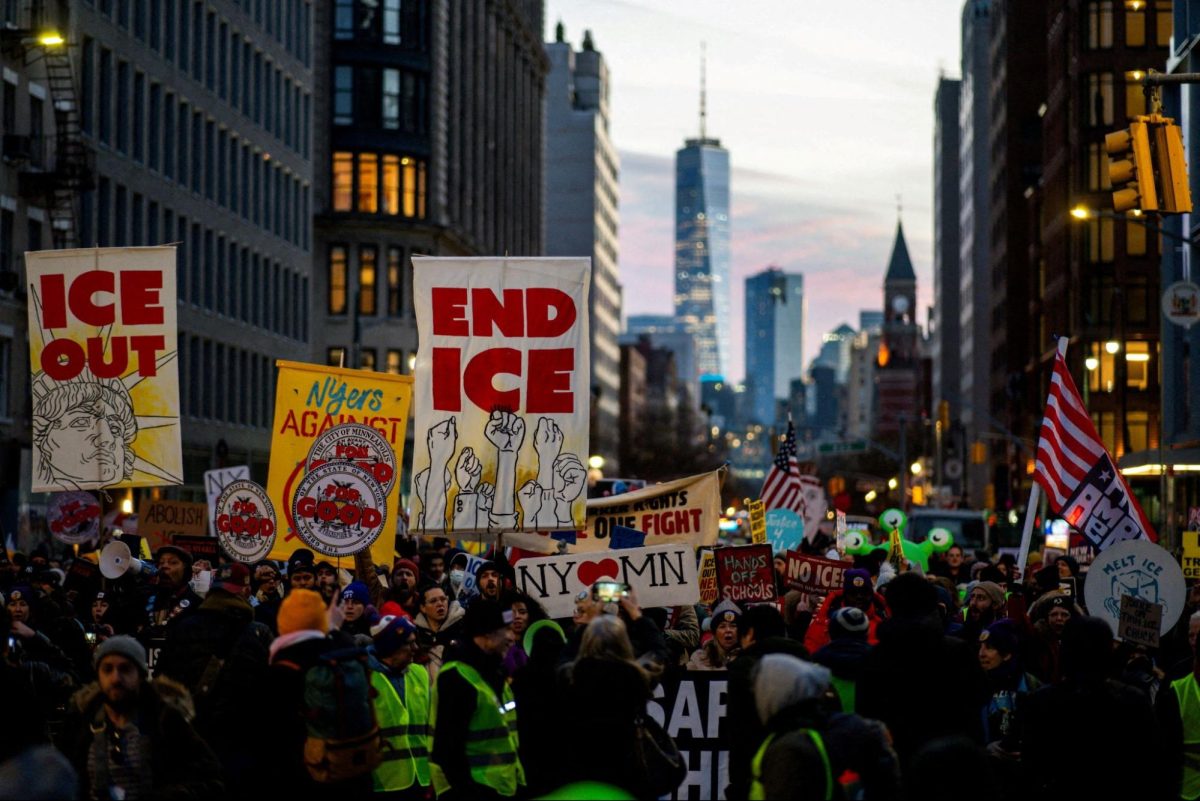
Still, dismissing every online effort as “performative” is just as unhelpful. For many young people, Instagram stories and TikToks are their main window into current events. Most do not regularly watch or read the news, so social media often becomes the primary way they learn about issues such as immigration crackdowns, humanitarian crises, or systemic racism, whether that is the recent Supreme Court decision allowing ICE to conduct stops based on race, accent, or job, Israel’s attacks on civilians in Gaza,, or protests against police brutality. Awareness alone does not fix injustice, but it can plant a seed.
Sometimes, even surface-level participation can help create momentum. A flood of hashtags, reposts, or profile picture changes might look shallow, but in sheer numbers they can push a cause into mainstream visibility. The challenge is making sure that visibility leads to depth, with awareness followed by action.
The difference, then, comes down to intent and action. Are you posting to look good, or are you actually listening, learning, donating and showing up? Are you uplifting voices from the communities affected, or are you centering yourself? Those questions matter more than whether you shared a post in the first place.
Social media shouldn’t be the end of activism, but it can be the beginning. Performative activism thrives on appearances. Genuine activism insists on action. And if we want real solidarity, we can’t afford to confuse the two.