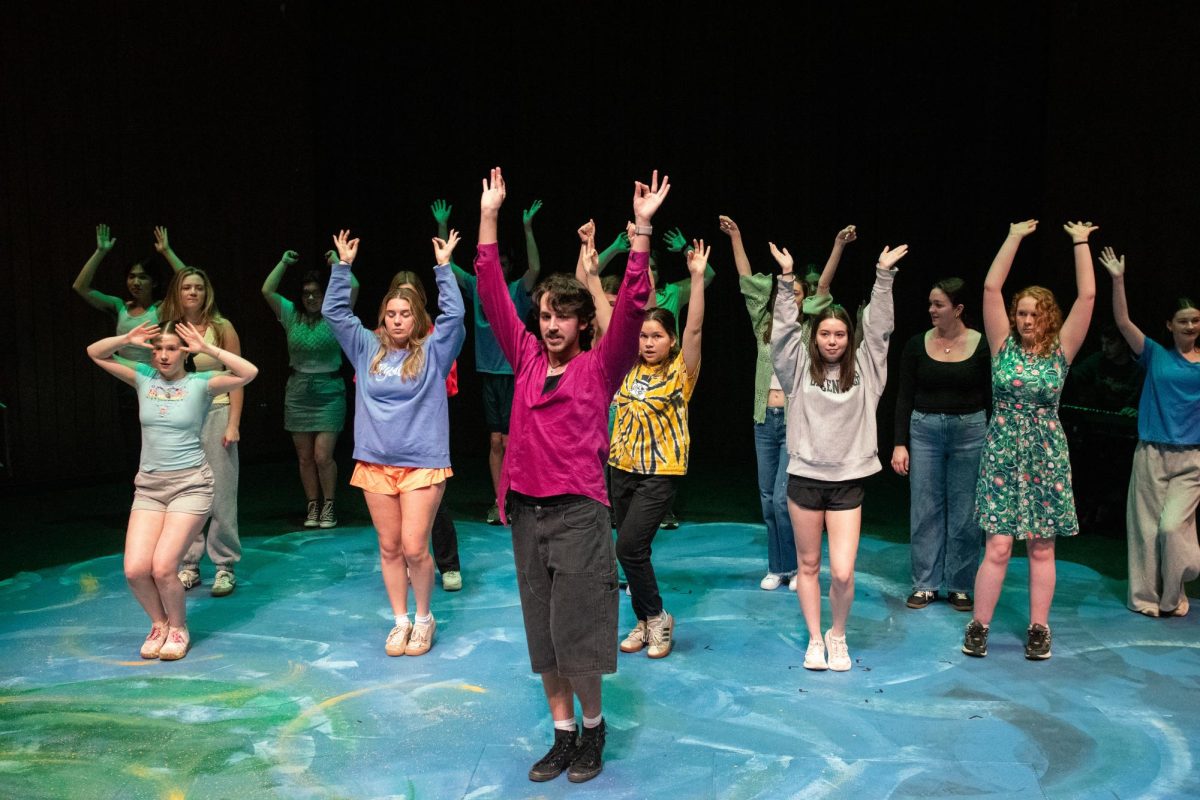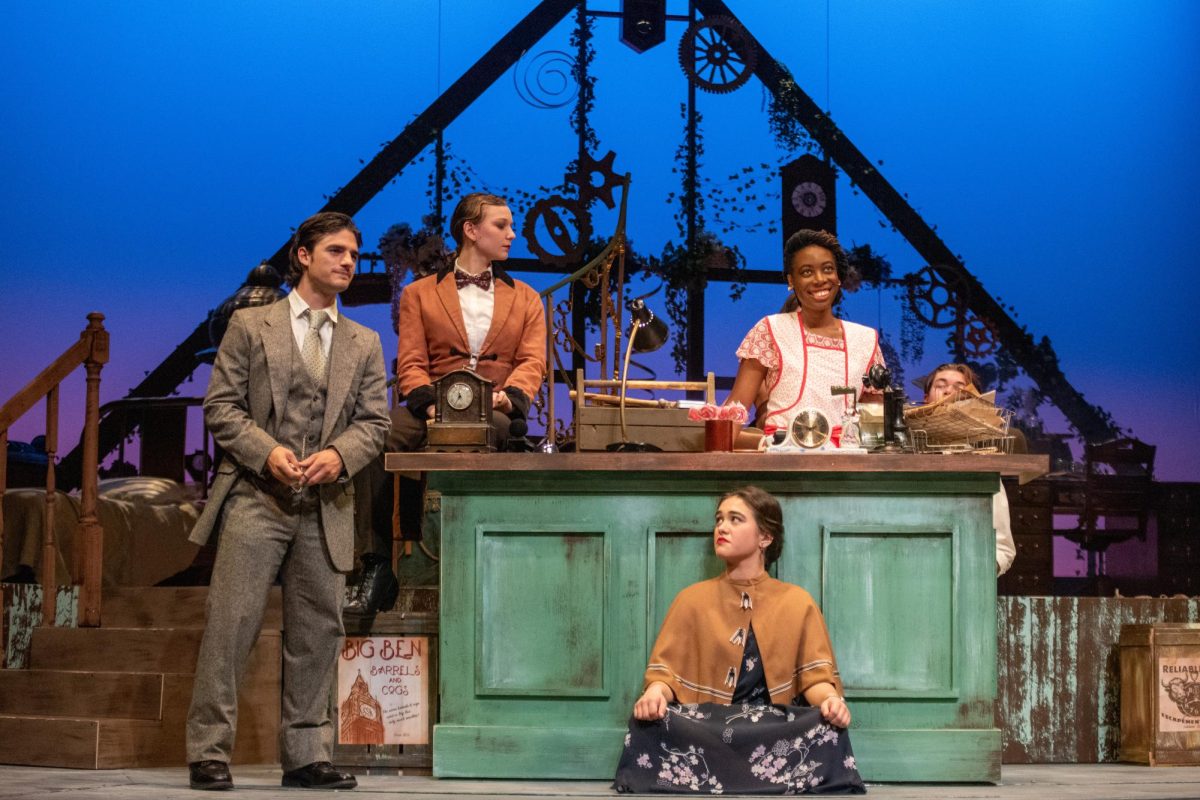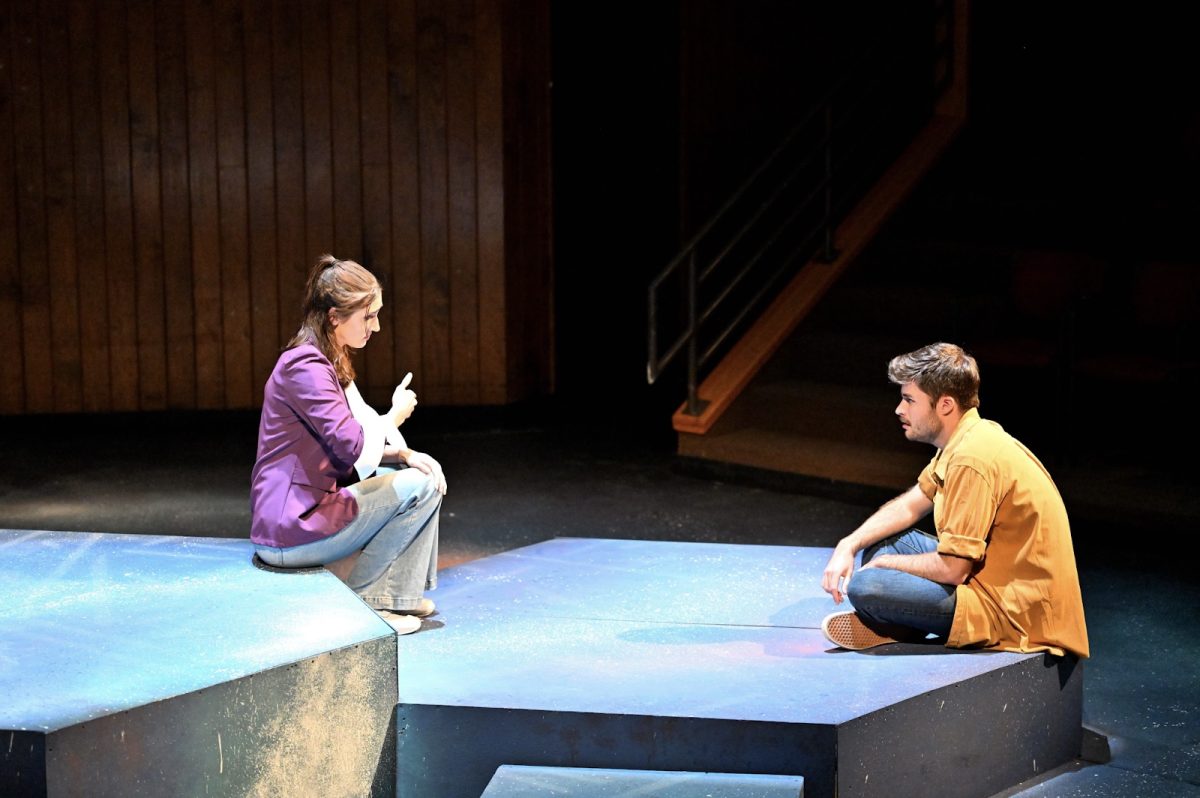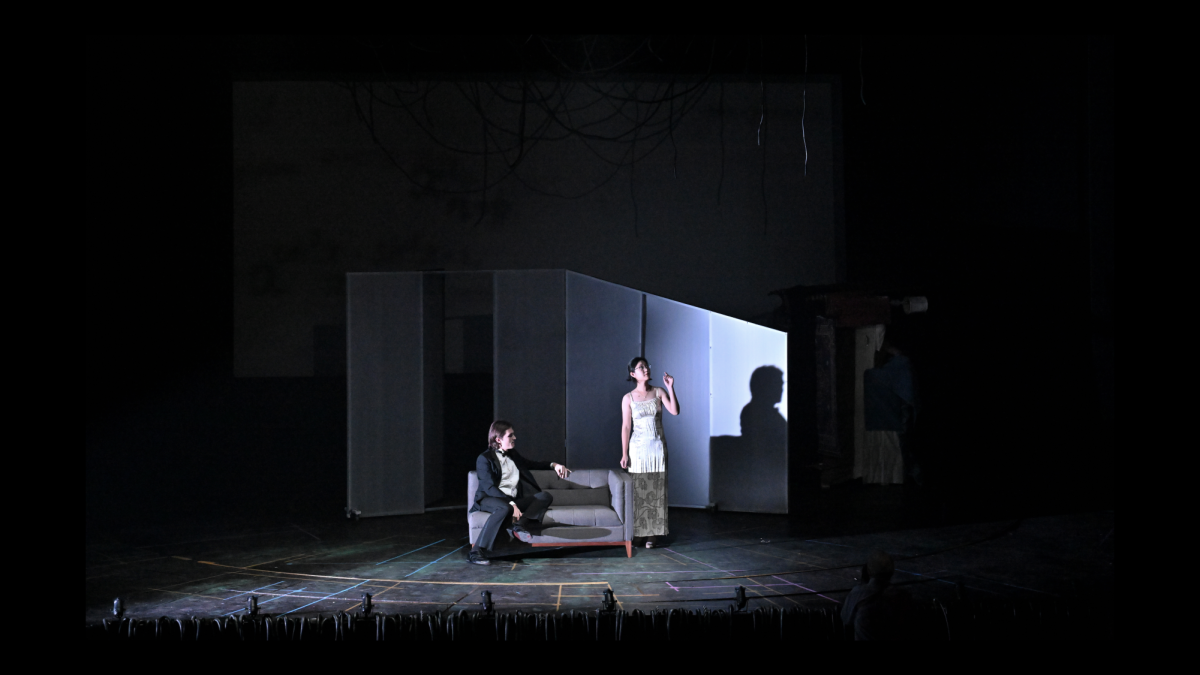


From our first read through — coffee and highlighters in hand — to a fully built world of characters, the making of “Failure: A Love Story” in just one month was unforgettable.
Written by Philip Dawkins and directed by Jon Herbert, the show opened on the Tedford Stage on Friday, Sept. 19, after a nonstop month of rehearsals.
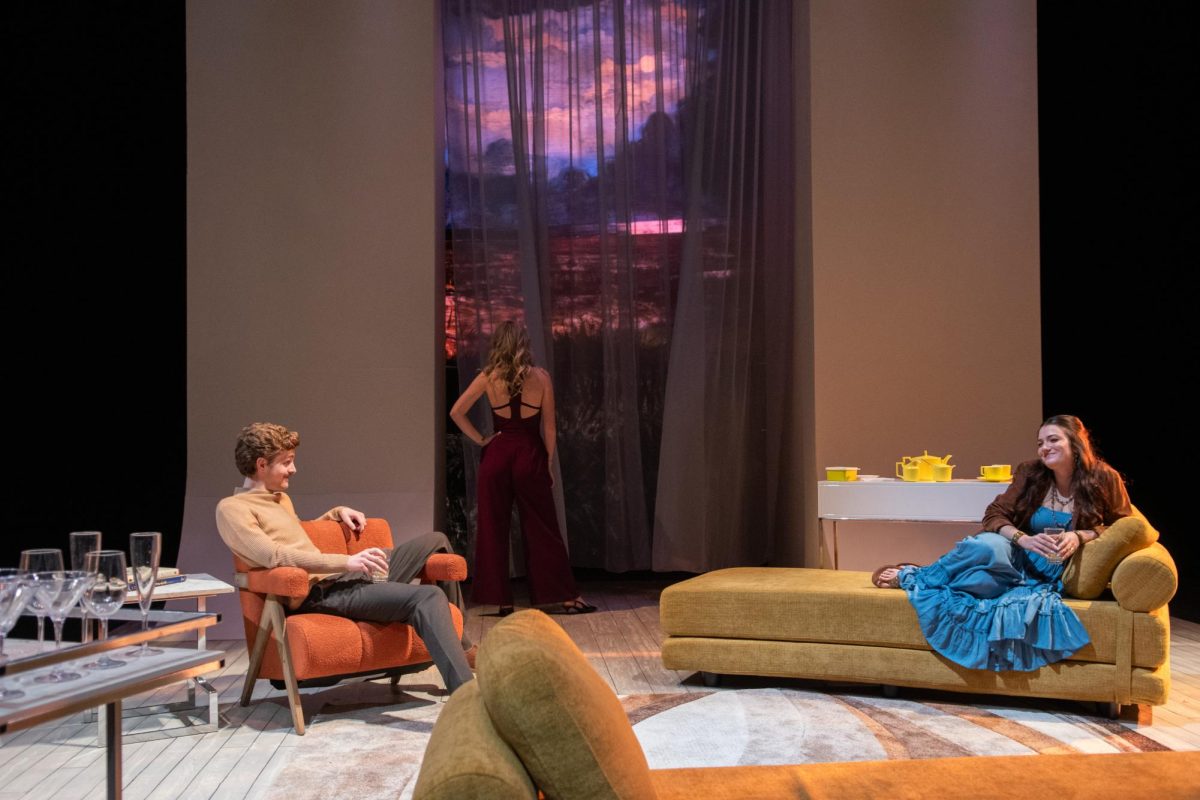
Set in 1920s Chicago, the play follows the three Fail sisters — Nelly, Jenny June and Gerty (that’s me!) — who all fall for the same man, Mortimer.
As quickly as love blooms, it wilts: one dies by blunt object, another by disappearance and the third by consumption.
Rehearsals began before classes. Within a week, the entire show was blocked, and we shifted into a fast-paced routine of running and refining. Wake theater rehearsals are six days a week. The saying “Sorry, I can’t. I have rehearsal” isn’t a joke: Monday-Friday 6-10 p.m., Saturdays 12-5 p.m. plus the infamous Tech Weekend (Saturday 12-10 p.m., Sunday 9:30 a.m.-8 p.m.). You definitely didn’t catch us at a football game, that’s for sure.
I finish classes at 7 p.m. on Mondays and 6:15 p.m. on Tuesdays and Thursdays, so it was always a mad dash to Scales. We’re theater people, but also students from many majors. Exhaustion was constant, but our love for the show kept us going.
My fellow cast member and sophomore, Ethan Anderson, described it best:
“Each night, we came together as a cast to support each other and create this really special space,” Anderson said. “I think that energy shows up in the show as a result, and I hope the audience feels it too.”
I believe they did. On stage, it’s easy to be guided by the audience’s emotions. Though even on quieter nights, you can vaguely sense that they understood the show’s goal. Its bittersweet ending could leave viewers crying one minute and laughing the next.
“In my experience, when you’re going through grief or something difficult, you have to find joy and laughter or else it becomes too heavy,” my castmate and senior Hannah Reynolds said. “That’s what makes the story feel authentic.”
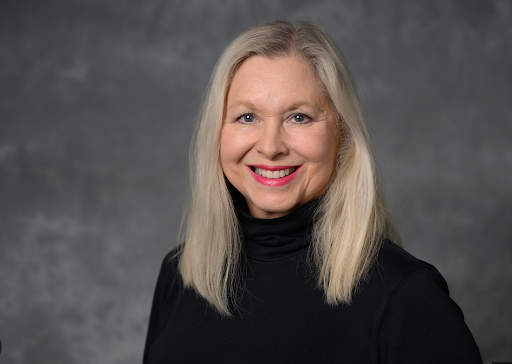
And that’s exactly what we did. We leaned into the humor as much as the heartbreak. That balance was one reason Herbert chose the script for his first production at Wake. He often told us to “play with it,” encouraging choices that might surprise us and find humor even in intense moments.
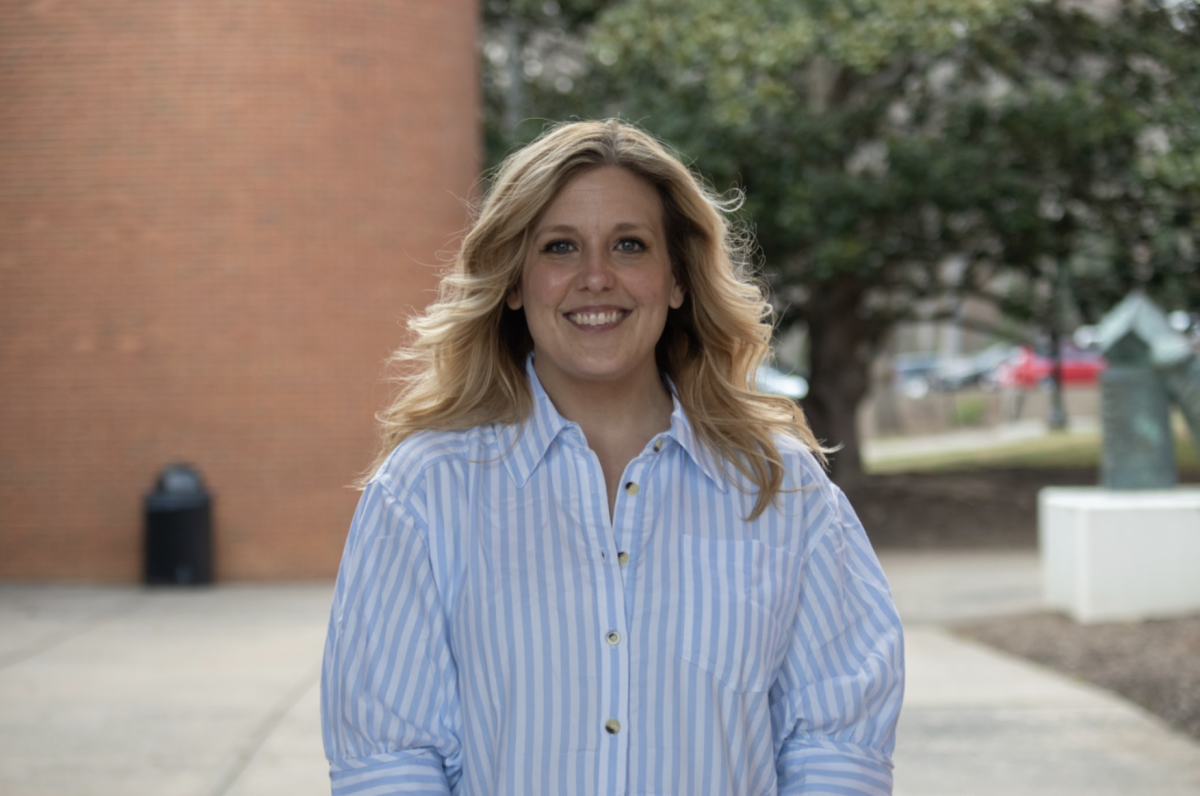
I was grateful to “play with it” alongside friends on stage and those behind the scenes. Three students shaped the design team: senior Maggie Payne on costumes, junior Carly Galbreth on sound and junior Ziqi Huang on props.
These roles are often filled by faculty, staff or guest artists, so it was exciting to see students take on difficult yet enriching positions.
“Designing a mainstage production as a student was such a challenge, but I had so much fun creating the design,” Galbreth said. “I really enjoyed working with the actors and crafting cool microphone effects.”
Payne echoed her, adding, “It took a lot of time in both design and build, but I found the process really rewarding. My favorite part was the first dress [rehearsal], seeing the costumes together onstage for the first time.”
Although we were cast last semester, making freshmen ineligible to perform, they were essential behind the scenes, from painting and set construction to wardrobe and crew. My new friend Lauren Summers worked as a wig stylist and created digital promotional content.
“It’s definitely chaotic, but so much fun,” Summers said. “I’ve gotten to work alongside so many cool people, and it’s helped me feel part of a community I probably wouldn’t have connected with otherwise.”
Old friends took on new roles, too.
Senior Taylor Nisbet, who was assistant stage manager for my first Wake show, “Witness for the Prosecution”, and had worked crew on many other productions, decided to perform on Wake’s stage for the first time in her final year, playing Jenny June, my sister.
“I usually don’t work on this side of things,” Nisbet said. “But the people I’ve been working with have been so wonderful, supportive, hilarious and loving — and it makes all the difference.”
“Love is born. It grows. It populates. It triggers magic,” Herbert wrote in his director’s note. “It extends far beyond the walls wherein it was born, far beyond the life that bore it.”
This show did just that — not only on stage, but by pushing us as students to discover and bring out our own creativity and resilience. As Wake’s first main stage production of the season, it set the tone for a year of meaningful shows.
Time may soldier on, but for me, the magic of this production lingers long after the last tick.