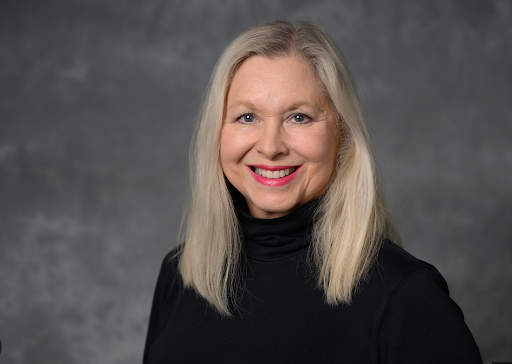

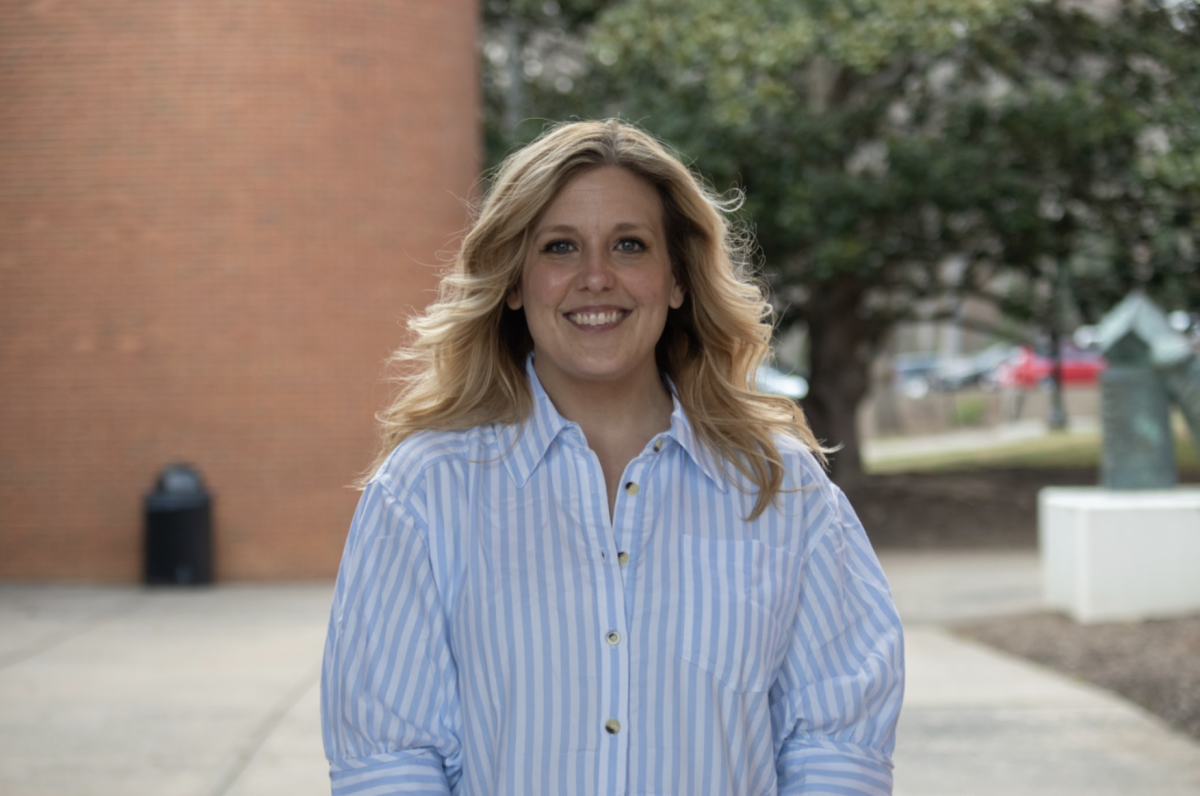
On March 27 and 29, the Piedmont Opera will perform George Bizet’s classical production of “Carmen” at High Point Theatre. Wake Forest Assistant Voice Professor Caryn Greco has spent a year preparing for her role of Frasquita. Arts & Culture Editor Grace Schuringa sat down with Greco to discuss her hopes for this performance, her career and her advice for aspiring artists. This interview has been edited for clarity and brevity.
Grace Schuringa: What originally drew you to opera and what keeps you engaged in the art?
Caryn Greco: I started out as a huge music theater nerd and actually never wanted to do opera. Then I went to college for music education, and in my sophomore year, I was cast as an understudy for a role in the opera we were doing, and that kind of did it for me. I was like, “Oh, my God, I love this, this art form that is extreme, heightened emotion.” It was so far beyond anything that I knew.
So I asked my voice teacher, the opera director and the other voice teachers on faculty: “Do you feel like this is something I could do? Do I have a future in this? Please be honest, because if not, I will stick with my music education degree.” And they were like, “Yeah, we do. It’s a lot of work and a lot of stress, so if you’re OK with that, we think you absolutely have a future in this.” So I thought, “OK, I trust you,” and re-auditioned for a degree in voice performance.
Schuringa: How do you juggle your various academic and artistic pursuits? What are the most challenging and enriching aspects of your dual career paths?
Greco: It’s a lot of balance, and I try to let my students in on that process. The challenging part is just making sure that I’m taking care of myself and practicing what I preach. I tell students all the time to take care of themselves, and I need to do the same.
The enriching part is just seeing the students start to understand what a performing career looks like when that’s not the only thing you do — letting them see that saying no is okay, that not being 100% is okay, and urging them to let go of the expectation of perfection. We’re all just on this planet, doing the best we can.
Schuringa: How did your experiences performing across North America and Scandinavia enrich your career as a performer?
Greco: I’ve gotten to work with a bunch of amazing people, not only directors and conductors, but also other singers. I have this really cool network of creatives around the world that I love, and we can rely on each other to kind of help us through things. Sometimes you can go to a place and not know anybody there and have an audience of strangers, which is sometimes really great, but it’s also nice to know people in the audience. The more performing you get to do outside your bubble, the more you start to have a little family wherever you perform.
Schuringa: What can the audience expect while attending “Carmen”? In what ways will this performance support opera newcomers who may be intimidated by the art?
Greco: I’m singing the role of Frasquita, who is one of Carmen’s friends. Every one of those characters is living life very passionately, and their emotions are felt very deeply and in the extremes. It’s insane to me that Carmen was written, in the 1800s, as such a strong woman who knows what she wants and wields her power very resolutely. This is one of those few operas where the women are very much in control.
I think it’s also a cool thing to see that all of these characters are flawed. And the big question is: why would anyone like Carmen? She is in the opera of bad decisions, but you find yourself cheering for her. I think that just translates to life. It’s a great first opera to see. It’s accessible. Our Carmen, Zoe Reams, is phenomenal. Her voice is like butter. I think it’s really cool for students to see this very dramatic, very larger-than-life art form.
Schuringa: Why is it important to stay engaged with the local arts community? How is opera evolving to stay relevant today?
Greco: Art is everyone’s entire lives, whether we realize it or not. It’s everything we see every day, and everything we consume and listen to.
We need to engage locally. It’s the same as supporting local businesses. I think that it’s really important to keep those companies in the community and support them, not only financially, but in any way possible, to allow art to be accessible to many people.
Opera has its reputation of being this elite, old, crusty thing, and that’s rooted in its history of being a very exclusive, elitist art form. But for a very long time, it has been cheaper to see an opera anywhere than it is to go to a sporting event. We’re in this reckoning right now of trying to figure out what makes sense in terms of creating new operas while still honoring the traditions that have kept it alive.
Schuringa: What advice would you give to students who want to pursue music professionally?
Greco: I tell students to practice but also to go out and experience life. We are human beings, portraying human beings with emotions who are living lives. If you are in a practice room and don’t do anything else, then you have nothing to draw on at all.
So go to the rock show. Go hiking. Go see the world’s largest chair. Have messy relationships and fights with people. See things from other people’s perspectives. That’s the only way you can bring a full human being to your art. In the art song, like the classical music realm, you’re singing poetry. There’s words and emotions and thoughts and feelings and experiences behind them, and the more you live your life—and the more you experience the good, the bad, the messy, the chaotic—the more you’re going to be able to make strong choices in how you want to use your voice.