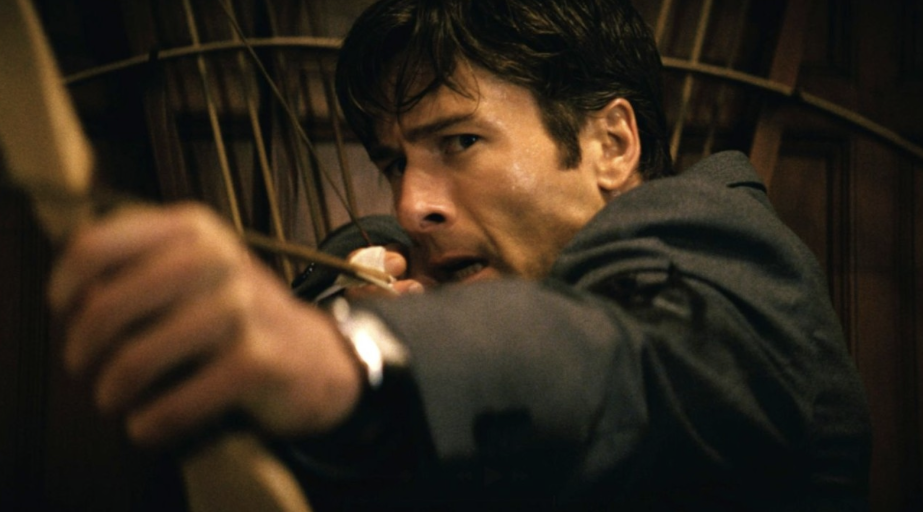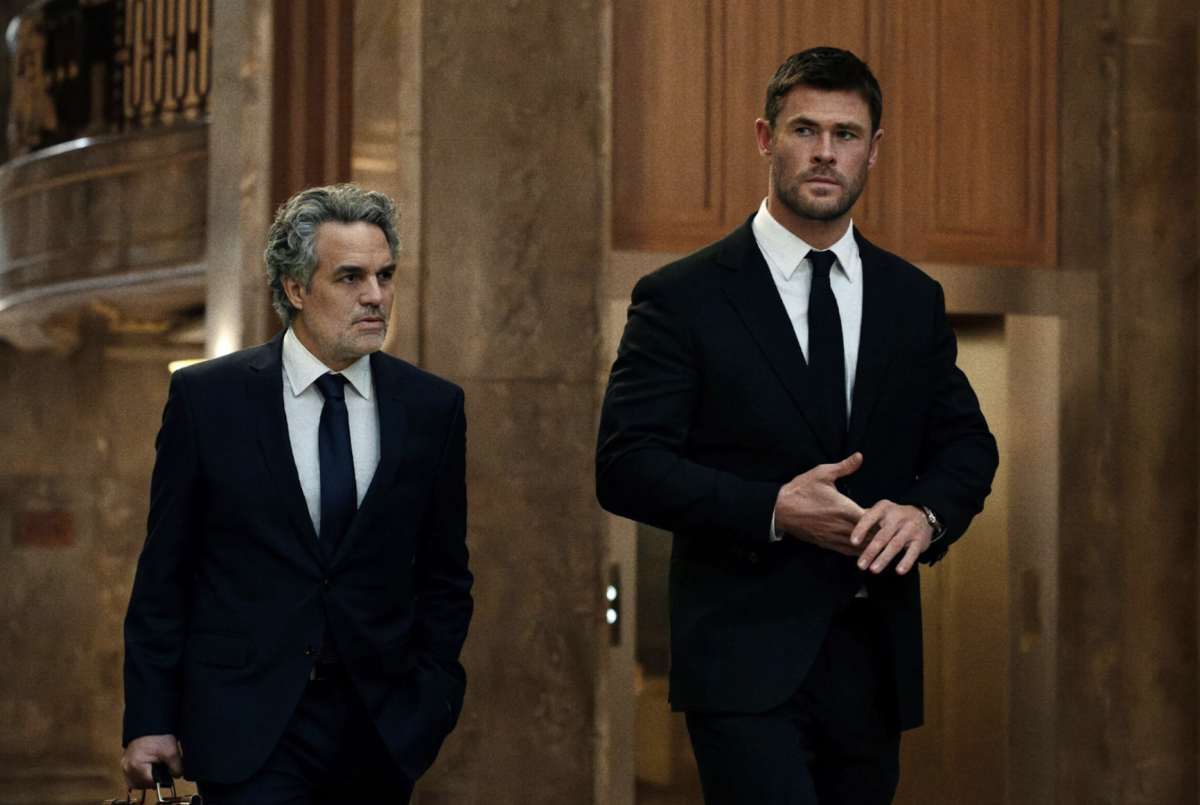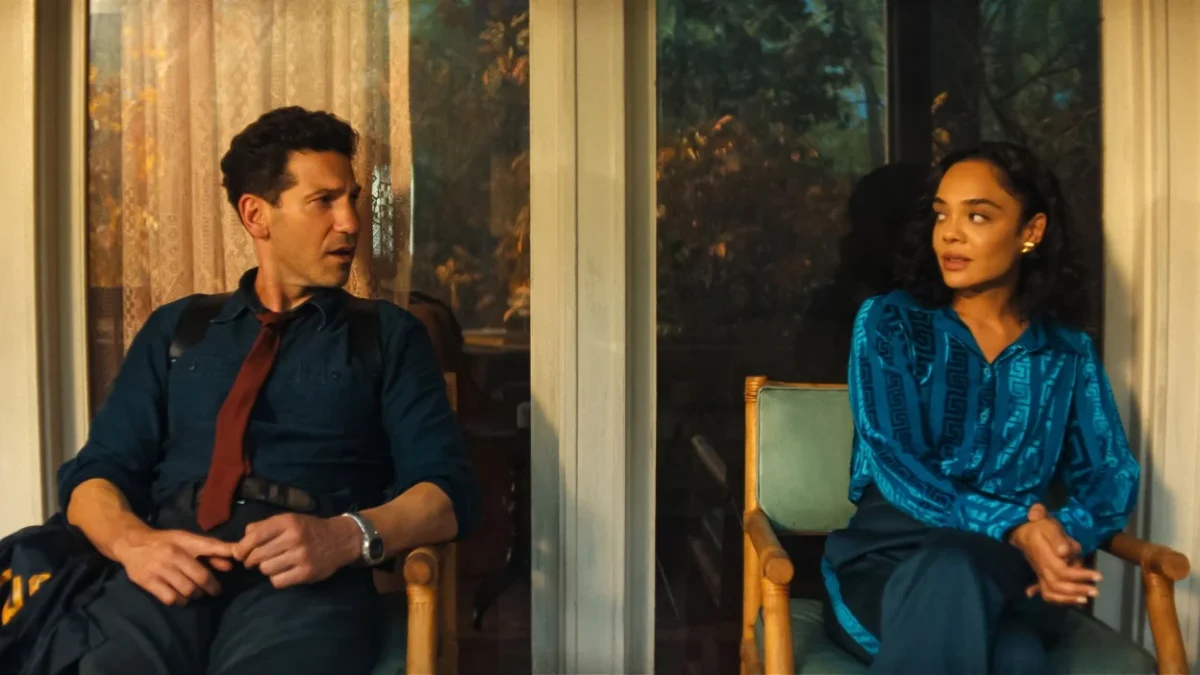


Director Paul Thomas Anderson is widely considered to be one of the top filmmakers working today, and his films like “Boogie Nights,” “There Will Be Blood” and most recently, “Licorice Pizza” (2021), have made him a legend. His most recent film, “One Battle After Another,” hit theaters on Sept. 26, 2025, to critical acclaim and the best opening box office revenue of Anderson’s career. It follows Leonardo DiCaprio’s Bob Ferguson as he attempts to rescue his daughter Willa (Chase Infiniti) after his revolutionary past comes back to haunt him. Running parallel to this is Col. Lockjaw, played by Sean Penn, who is hunting Bob down and has a mysterious connection to Willa.
In many ways, “One Battle After Another” continues Anderson’s trends. It is technically sophisticated, as Anderson builds out tension and release in the ways only a master director could, and has standout performances by DiCaprio and newcomer Infiniti. At no point is a cut wasted or the blocking confusing, and the use of VistaVision creates a grainy look that has the one-shot authenticity of film.
As a father-daughter flick, the film initially stumbles. It takes far too long to get to the central relationship and spends far too little time setting a foundational plot. However, down the stretch, DiCaprio and Infiniti’s performances endear both characters to the audience, while creating a scenario where you root desperately for their reunion. At one point, I thought Anderson would cut this reunion short in tragedy and found myself terrified at the thought; thankfully, he does not. This is the beating heart of the film, and its best aspect.
The politics of the film, on the other hand, in many ways, shoot it in the foot. Much of this has to do with the first forty or so minutes of the film, which hurt the overall narrative. It takes a long time to set up and spell out clearly what the rest of the film will treat as a mystery, removing potential narrative tension from the script. Beyond that, it introduces both Bob and Willa’s mother, played by Teyana Taylor, as violent far-left radicals who aren’t afraid to kill and destroy property in the pursuit of a vague “revolutionary” cause.
Beyond just seeming a bit tone-deaf due to recent events (though, as the film has been in production for years, Anderson could not have foreseen this), the film waits a long time to condemn them for their selfish actions. While I applaud Anderson, who both wrote and directed, for attempting to consider the rising role violence and white supremacy play in current American culture, the film fails in many ways to take a coherent moral stance or explain what is going on.
This makes for a confusing experience that leaves you wondering if the film condones violence in the name of political beliefs in modern-day America, which is not a position I’d imagine that Anderson would like his audience to internalize and act upon.
“One Battle After Another” is well-made and well-acted, but ultimately its muddled politics and strange structure keep it from becoming a masterpiece.