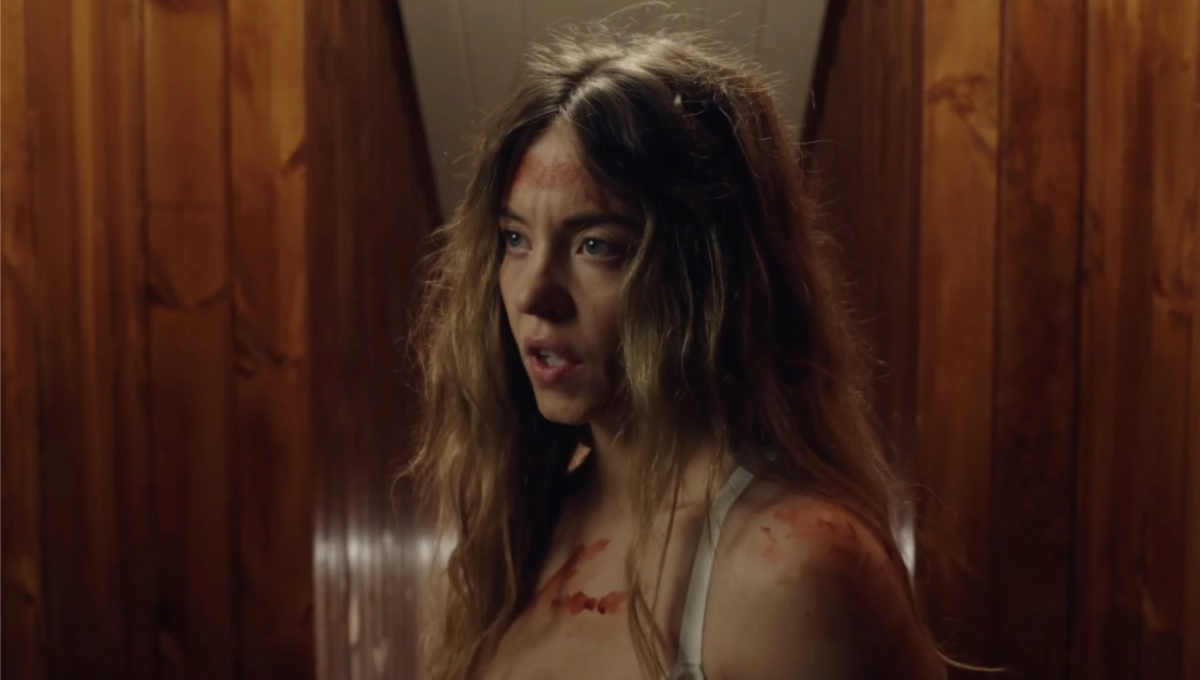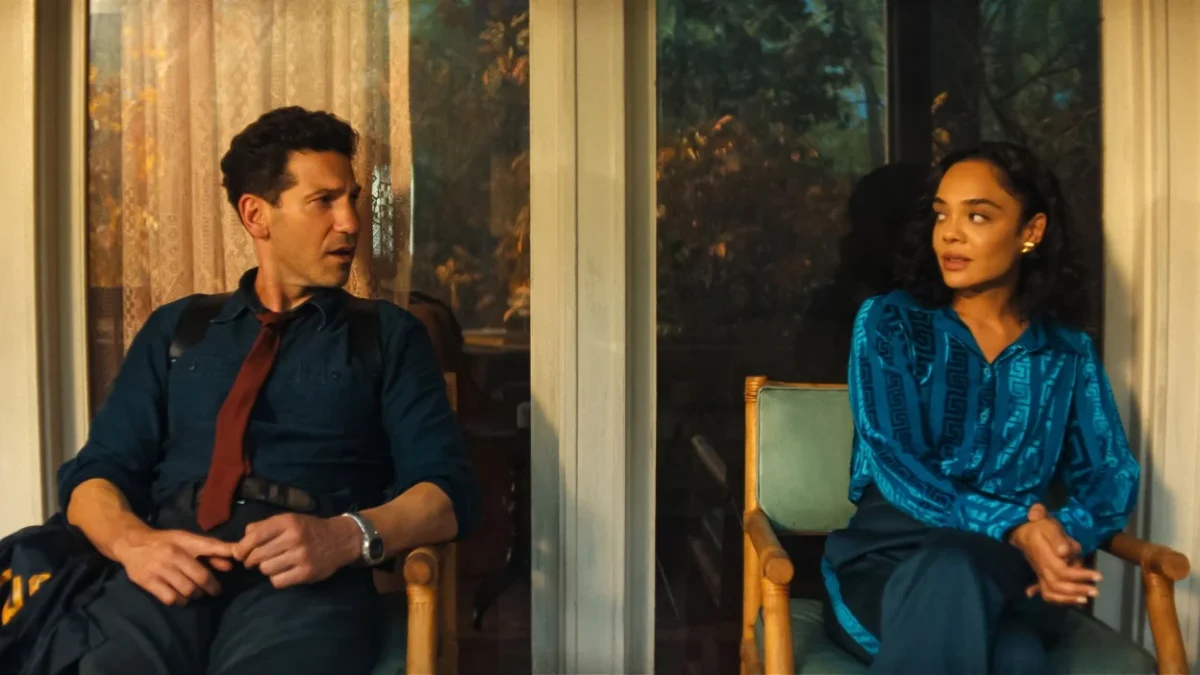


If Emily Brontë had lived to experience the big screen, I’m certain that she would have much to say about the 2026 “Wuthering Heights” adaptation. The story that played out in front of my eyes in a crammed AMC theatre is not the same one that Brontë painted in her 1847 novel. However, I won’t deny its beautiful cinematography, artful costume design and cream-of-the-crop casting.
The film is a heartrending love story between the passionate, eccentric Catherine (Margot Robbie) and brooding Heathcliff (Jacob Elordi). By the time the credits rolled, there wasn’t a single dry eye in the audience. Director Emerald Fennell had no difficulty creating a devastating romance between two of cinema’s most attractive stars.
As a classical fanatic, though, I longed for the original work’s Gothic representation of obsession and revenge set into motion by a soul-swapping love affair. Instead, trauma and escapism took a backseat to sex and a “right person wrong time” trope. This excessive sentimentality — and glut of lewd innuendos that almost made me leave the theater — left the film deficient of real, complex depth.
Setting those low points aside, the narrative remained entertaining, even when it diverged from its source.
I was heartened to see many of my own favorite quotes included in the film — moments that always prompt me to evaluate my own standards for love.
Most famously: “[Heathcliff] is more myself than I am,” Robbie as Catherine says. “Whatever our souls are made of, his and mine are the same.”
This line provokes a visceral reaction in me, whether I experience it on the page or on the screen. It’s mysterious, but I understand it all the same. Parts of my own soul show up in the people I surround myself with every day.
I do applaud the ability of “Wuthering Heights” to take us beyond the bounds of character Nelly Dean’s narration and place the viewer in the estate itself. And we wardrobe admirers were able to get a good look at Jacqueline Durran’s handiwork, the saving grace of the entire production.
I imagine that when Brontë conceptualized her masterpiece, Fennell’s interpretation was not at all what she had in mind. However, I encourage you to forget that the movie is an adaptation and give in to the fantastical world of beauty dressed by Durran and brought to life by Robbie and Elordi. There is something for everyone to admire.